|
Exercise and movement are very important in controlling the severity of Fibromyalgia symptoms, this we all know, or have been told time and time again by our Doctors, therapists and friends, but.....how much exercise, what types of exercise? Can we exercise with Chronic Myofascial Pain Syndrome, RSD, Lupus or CFIDS? In an attempt to make some sense of it all, we are placing all of the research, tips and tricks we find on the subject here, where hopefully we can help you find some answers. As always, if you know of a site, a book or other resource that should be listed on this page to help others find some answers, please mail it to us so we can include it here.
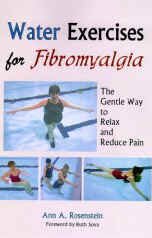
"Water Exercises for Fibromyalgia:TheGentleWay to Relax and Reduce Pain (Paperback)" by Ann A. Rosenstein (Author)
|

"Fibromyalgia: Simple Relief through Movement(Paperback) by Stacie L. Bigelow. |
Studies and Articles
Page last updated on February 16, 2008
Water Therapy Washes Rehab of Pain for Fibromyalgia Patients
Say you were injured playing your favorite sport and had to have surgery on your knee. Now think of the countless hours of painful rehabilitation you face just to get your knee working again. What if there was a way to rehabilitate your knee in less time and with less pain?
Or maybe you suffer from fibromyalgia or some other disorder that makes even the lightest touch painful. What if there was a way to get your muscles back in working order without all the pain? Well, there is. It's water therapy.
Using water to rehab injuries and ailments is both old and new. Greeks and Romans in ancient times used water to help them rehabilitate after sporting events, but it's only caught on recently in modern times. When NASA started doing research on weightlessness in water in the 1960s, people started realizing the scientific benefits of water therapy.
"Water can really help most patients," says Jan Pratt, physical therapist and owner of Aquatic Fitness Inc. in Creve Coeur and O'Fallon, Mo. "Using water is faster and better and offers less pain for the patient. For years physical therapists were referred to as physical terrorists or physical torturists. Water isn't that way -- it's fun. And it has a powerful effect."
Just ask Steve Rainey, 45, of O'Fallon, Mo. After his third, and most invasive, back surgery, his doctor recommended water therapy. "I just couldn't believe the difference it made," he says. "When I did regular land therapy it seemed like I hurt all the time." With water therapy, many patients are able to get back to movement earlier, and with less pain and without stressing the parts that are healing. You can start treatment one or two days after a sprain or strain and two to 10 days after surgery; compare this with five to seven days for a sprain or strain and two to four weeks after surgery for treatment on land, Pratt says. Of course, an open wound would prohibit immediate water therapy, though in some cases a special bandage can be used.
Water therapy with a different twist also worked for Susan Staat, 51, of Arnold, Mo. Staat has suffered from fibromyalgia for years. Fibromyalgia, an arthritis-related condition characterized by generalized muscular pain and fatigue, affects different people in different ways; for Staat, the feeling was similar to flulike symptoms in her joints. "There were days I couldn't even put my feet on the floor, it hurt so bad."
She was in so much pain that the slightest touch affected her, and a traditional land massage, though beneficial, was extremely painful. Her husband read about a form of water therapy called Watsu. Watsu is a sort of Shiatsu massage in the water, a sequence of gentle movements and stretches as you are held in warm water that relaxes your body, resulting in greater flexibility and freedom. Staat thought she'd give it a try, so she called Kathleen Christ, who has performed close to 6,000 Watsu treatments at her St. Louis Aquatic Healing Arts Center in Creve Coeur, Mo.
"She puts me in a very relaxed state, and I'm just lifeless, and she gives me a deep, deep massage, the kind of massage I'm unable to do on a table," Staat says. "It would be just too painful. In the water, I don't feel the pressure." After four years of therapy, Staat says she's noticed a huge change. "I feel so good now. I was really in bad shape. I was in bed most of the time. Now, I'm very active. I cut the grass; I do a lot." In fact, she's been able to cut in half the number of pills she takes to control her fibromyalgia.
Watsu works for several reasons, she says. First, the warm water is hypnotic. "It's essential for anyone, especially a super Type A personality, because it gets the mind to relax. The body can heal itself when it's left to its own devices, but the mind gets in the way." The warm water then allows Christ to stretch and move the body. "The greater freedom of movement it encourages creates a modality that can affect every level of our being," she says.
Freeing the spine in a weightless environment is the cornerstone of a Watsu session. The therapist supports the client in water while gently rocking and stretching the back and limbs. The head stays above water in Watsu; for greater effect, patients can try Wassertanzen -- essentially the same thing, just with the head underwater.
During traditional water therapy and Watsu, the water is heated to body temperature. The warm water, says Christ, allows for a soothing of the mind as well as greater muscle movement. Water is an ideal rehabilitation tool for several reasons, Pratt says.
First is buoyancy. When you are immersed in water there is less gravity and less compression on the spine and other parts of the body. "Thus, someone just standing in water often has zero pain level without even having to move."
Water's hydrostatic pressure is also a reason it's a great tool. The body feels compression from all sides. The physiological effects of this include a decrease in swelling.
Finally, the ability to add movement adds a new dimension. Water is 12 times denser than air, Pratt says, so the resistance (if you move swiftly enough) is great for rebuilding muscles. Plus, you can use more functional movements, working specific muscles in the water.
Source: Houston Chronicle (www.chron.com). Copyright 2004 St. Louis Post-Dispatch.
Return to Top
Treating the Pain of Fibromyalgia in Water by Lynda Huey, MS and Pattie O'Leary, PTA
For more than two years, Diane Schneier and her mother Joyce have been doing aquatic therapy three times a week, trying to alleviate the pain of fibromyalgia syndrome. Fibromyalgia is not fatal, disfiguring or crippling, and it doesn't get progressively worse. But it is often frustrating, because a person's pain, symptoms and energy levels can change every day. For Diane and Joyce, aquatic therapy relieves their condition and improves fitness and well being.
"The pool is the only place I can work out that doesn't hurt me," says Diane, a film producer who often spends 16 hours a day on her feet. "When I can get two or three months in a row of steady therapy sessions, I start to feel strong and physically capable again."
Fibromyalgia, the pain of fibrous tissue and muscles, isn't considered a disease, but rather a combination of symptoms that range from mild to severe. Up until 1990, this syndrome wasn't diagnosed directly. Instead, doctors ruled out other disorders that produced similar symptoms -- arthritis, lupus, rheumatism, connective-tissue disorders, thyroid disease or neurologic disorders.
In 1990, however, the American College of Rheumatology stated that fibromyalgia could be diagnosed by a history of widespread pain that occurred for more than three months in combination with pain in 11 of 18 specific, bilateral points in muscle tissue. If tender spots appear in all four quadrants of the body, a patient is diagnosed with fibromyalgia.
General symptoms include burning or stabbing pain deep in the muscles, sensitive skin, tingling or numbness of the hands and feet, headaches, bloating, dizziness and blurred vision. Approximately 15 percent to 20 percent of patients treated by rheumatologists have fibromyalgia.
Fibromyalgia patients are notoriously deconditioned; they often can't walk, use a bicycle or go to the gym without incurring more pain. The water, however, helps improve fitness while simultaneously treating aches and pains. Water's buoyancy virtually eliminates painful tissues and joints and provides an ease of movement not possible on land.
Water also provides a three-dimensional resistance to movement so that muscles develop strength equally in all directions. The water applies hydrostatic pressure to bodies immersed in it, and that reduces swelling and discomfort.
The following water protocol for fibromyalgia focuses on total body fitness, as well as stretching and strengthening specific areas of the body. All of these exercises are explained in detail, with photos, in The Complete Waterpower Workout Book by Lynda Huey and Robert Forster, P.T. (Random House, 1993).
Deep-water warm-up. By avoiding all impact, patients slowly perform general warm-up exercise with a sense of ease. Most patients have their heads above water, but people with severe neck pain do warm-ups submerged. This takes the weight of the head off the neck so they can exercise more comfortably. For safety, all patients are tethered to the side of the pool.
Deep-water interval training. An interval training session is created by combining the three skills -- deep water running, deep water walking and flies (hip and shoulder ab/adduction) -- in the deep water warm-up and varying the speed to create alternate periods of work and rest. Fibromyalgia patients should work at low to medium intensity levels to gain maximum aerobic benefits without crossing over into anaerobic work, which can cause undue fatigue. Pacing is important to help these patients make it through the entire session. Again, patients with neck pain are submerged.
Deep water-power exercises. The following nonweight-bearing exercises help strengthen the body gently and safely: sit kicks, heel lifts, bent-knee twists, quick scissors, v-kicks and deep back kicks.
Kick training. All of the following kicks target the muscles of the hips, thighs and buttocks: front and back flutter kick, bicycle kick, straight-leg deep kick and slap kick. Therefore, the lower extremities are reconditioned without any impact or undue fatigue. Patient's shoulders are protected by doing these exercises in a corner or on a step.
Stretching. The following stretches cover all the major muscle groups, but particular focus is on the shoulders and neck, where fibromyalgia patients report the most pain.
- Curl and stretch
- Hamstring stretch
- Cross-chest stretch
- Overhead triceps stretch
- Biceps stretch
- Clasp-hands-behind-back stretch
- Wall pec stretch
- Neck flexion
- Neck rotation
Upper extremity exercises. This series of range-of-motion exercises helps shoulders and arms gain strength, flexibility and function. On days when the pain level in the neck, shoulders and arms is minimal, we may ask a patient to use webbed gloves to create more resistance, thereby gaining strength. On days when pain is great, we may ask them to slowly perform the following pain-relieving exercises:
- Front/back pull
- Dig deep
- Up/down pull, front and back
- Biceps/triceps curl
Swimming or assisted swimming. If a patient swims, she can use the stroke that causes the least pain and aggravation. For people with back or neck pain, we often add face masks, snorkels, flotation belts for the hips and cervical collars for the neck. Most patients, however, do either a combined stroke (breaststroke with flutter kick) or a modified backstroke. The backstroke modifications apply the least amount of pressure on the neck, upper back and shoulders.
Watsu. This relaxation technique yields the greatest pain relief for fibromyalgia patients. The therapist cradles the patient in her arms, then gently rotates her own body from side to side, which causes the patient's limbs to sway. During a 15- to 20- minute treatment, the therapist moves from one side of the other side. During this motion, the patient floats with eyes closed and ears in the water, creating sensory deprivation, which relaxes and breaks the pain cycle. Watsu also has a cumulative effect on well being. For instance, if patients are pain-free for an hour or so after the first session, they may not have pain for up to four hours the next time.
Waterpower Workout exercises. These low-impact jumping exercises are optional and used only on days when a patient has little pain and feels strong and energetic. Exercises such as lunges, crossovers, squat jumps, side straddles, leg swings, front kicks, back kicks and frog jumps give patients a sense of athleticism they don't normally possess.
Besides the Schneiers, who helped inspire us to develop fibromyalgia protocols, dozens of other patients with fibromyalgia and rheumatoid arthritis have benefited from this program. On rare occasions, the symptoms of a few people increased, which made us shorten the first session of all fibromyalgia patients until we saw their reactions. We didn't want to overwork them and cause a flare-up. Other than that, we have no generalized contraindications for treating fibromyalgia patients in the pool. We simply let the patient's pain guide the program. If a specific exercise hurts, we skip it that day.
Our success with these patients has inspired rheumatologists to send other fibromyalgia patients to us. Insurers, workers' comp and private, are reimbursing steadily for treatment as well.
Several years ago, Fibromyalgia patients had few options, but with aquatic therapy, they have a valid treatment plan that provides what they need: pain relief and a fitness routine that won't exacerbate their condition.
Lynda Huey, MS, who pioneered the use of aquatic therapy with Olympic and professional athletes, is co-author of The Complete Waterpower Workout Book (Random House, 1993) and Heal Your Hips (John Wiley & Sons, 1999). Since 1994, Pattie O'Leary has worked with Lynda Huey in Southern California and Florida. You may contact the authors at (310) 829-5622.
Fibromyalgia Pain vs. Muscle Soreness: Monitoring Pain During Exercise by Colleen Black-Brown, M.S. The following information was developed as a guide for health care professionals to assist their FM patients in an exercise program, and contains useful information for patients. Presented with permission of the author.
Exercise Prescription for Fibromyalgia: A Plan for Patients From Beginner to Advanced By Colleen Black-Brown
Why Water Exercise is Beneficial
Return to Top
Dangers of Repetitious Exercise with TrPs: By Devin Starlanyl
What Your Physical Therapist Should Know about Fibromyalgia: By Devin Starlanyl
Advice from Rice University
Exercise: "Another very important component to my well-being." excerpt from My Regimen by Miryam Williamson
An Exercise Program for Fibromyalgia by the American Academy of Family Physicians Scroll down about 3/4's of the page.
Should you Exercise?
Return to Top
Diaphragmatic Breathing This link will open a new page on our site. To return to this page, simply close the window when you are done reading or printing the information.
Stretching the legs. 5 examples, with photos, on the proper way to stretch your legs.
Stretching Exercises. A great resource that contains animated images you can download and watch at your leisure. They show you the proper way to stretch each area.
Tai chi:
Tai chi consists of physical exercises based on principles of rhythmic movement, equilibrium of body weight, and effortless breathing designed to build chi (vital life energy). Originally developed as a martial art for self-defense, it is characterized by moving slowly and continuously without strain through a sequence of contrasting movements. Each movement develops from the last and flows into the oncoming movement. The objective of tai chi is to achieve health and tranquility through movement while developing the mind and body.
Tai chi is good for people with FM and CFS because of the slowness of the exercises, which take the body very, very gently through a whole range of motions without engaging strong muscle contraction, like weightlifting does. This type of exercise does not create adrenaline in the body. People who have FM know that if they engage in physical exercises that produce adrenaline, their bodies have a difficult time processing it. (Source: Alternative Treatments for Fibromyalgia & Chronic Fatigue Syndrome, by Mari Skelly and Andrea Helm.)
Yaz Exercises for those who need to exercise to get better, but have difficulty because exercising induces symptoms.
Qigong Association of America: Qigong is a self-healing art that combines movement and meditation. Visualizations are employed to enhance the mind/body connection and assist healing.
Return to Top
 Muscle Pain, Myofascial Pain, and Muscle Pain, Myofascial Pain, and
Fibromyalgia:
Recent Advances (Journal of Musculoskeletal Pain, V. 7, No. 1/2) (Journal of Musculoskeletal Pain, V. 7, No. 1/2) (Hardcover)
|
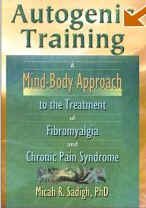 Autogenic Training: A Mind-Body Approach to the Treatment of Fibromyalgia and Chronic Pain Syndrome (Paperback) Autogenic Training: A Mind-Body Approach to the Treatment of Fibromyalgia and Chronic Pain Syndrome (Paperback)
by Micah R. Sadigh Ph.D.
|
Exercise and Stretching. A video for fm'ers by Dr. Robert Bennett, Dr. Sharon Clark and the NFRA.
Easy Does It. A series of video tapes for those who have injuries, knee problems, don't like to get on the floor, seniors, and those who just prefer to do the workout at a slower pace.
"Pain Erasure The Bonnie Prudden Way" addresses MPS and a program for stretching and exercise
"The Travell Stretch Program", by Dr. Janet Travell, developed especially for MPS, is available in Book-chart form as well as a three volume video Click on Books and Charts and also on Videos.
"Fibromyalgia: Simple Relief Through Movement" by Stacie L. Bigelow. You do have to register to get in to read this. The
book, itself, should be available online or at major book stores.
The Fibromyalgia Survivor: By Mark Pellegrino, MD. The Dr. describes how he manages to cope day to day with FM. He addresses the role of Chiropractic care, and it contains a section that an be useful to your Physical therapists and Occupational Therapists. Anadem Publishing, Columbus Ohio.
Taking Charge of Fibromyalgia: A Self-Help Management Program: By Julie Kelly , MS RN and Rosalie Devonshire BA. A comprehensive book, covering all aspects of living with FM. Contains charts to monitor your progress, covers the psychological aspects of this disease and info on Nutrition, traditional medicine, posture and exercise. 170 page handbook for patient and health care provider. 612-473-6218 or Write Fibromyalgia Educational systems, Inc. 500 Bushaway Rd. Wayzata. MN 55391
Gentle Fitness, an exercise video geared to those with chronic conditions. Different activity levels and very mild, no impact, stretching, yoga and breathing techniques are stressed.
Fibromyalgia Exercise Video, produced by Oakville-Trafalgar Memorial Hospital in Oakville, Ontario, Canada. It has been created by health care professionals working in the field of rehabilitation for FM Patients. It is a 28 min. video that explains each component of exercise and guides you through it in a practical way. To order: Send 20.00 + 4.50 S&H to OTMH charitable Corp. Exercise Video. 327 Reynolds Street Oakville, Ontario L67 3L7 Attn: Pauling Mihok, Physiotherapy Department.
AHA exercise pamphlet: Low impact & stretching Call 1-800-AHA-USA1
Soft and Easy Exercises for Everyone: (Recommended for Fibromyalgia) By: Mary Bennett
Return to Top

Diet for a Pain-Free Life: A Revolutionary Plan to Lose Weight, Stop Pain, Sleep Better and Feel Great in 21 Days (Paperback)
by Harris H. McIlwain (Author), Debra Fulghum Bruce (Author)
|

Back Care Basics: A Doctor's Gentle Yoga Program for Back and Neck Pain Relief (Paperback) by Mary Pullig Schatz (Author)
|
Dr. Charles Lapp......The second step we talk about is activity and exercise. Of course, the first thing we point out is that this is an exertional illness. The more you exert, the sicker you get. If you overexert then you end up sick for a couple or three days in bed. On the other hand, if you don't do anything and you just lay around in the bed, you get deconditioned, and the muscles hurt, and the joints hurt more. So you have to get a narrow road. The thing that we really stress is that you have to avoid strict bed rest. That just does not do it, but balance light activity with rest, using common sense as a guideline. *For the complete transcript of a lecture given by Dr. Lapp, that contains this quote, go here.
Dr. Rudin. There is no single ideal exercise program for patients with fibromyalgia syndrome, as each patient is unique. Some fibromyalgia patients have associated back, neck, or joint problems that require specific attention. Others have difficulty maintaining a high enough blood pressure when sitting or standing, and an exercise program must compensate for this. Still others are very flexible or "double-jointed" individuals who cannot perform certain exercises without risking injury. The best way to find your ideal exercise program is to work with a physician who has experience in the evaluation and treatment of fibromyalgia. Many rheumatologists and physiatrists (rehabilitation physicians) have particular expertise in this area. These physicians often work with specially trained physical therapists, exercise physiologists, and other health professionals who can help refine the details of your program. You mentioned a swimming pool. Aquatic exercise, for those who have access to it, provides an excellent workout for some individuals with fibromyalgia. However, for those who can't tolerate the water or don't have access to a pool, there are many other appropriate exercises. Your specialist can point you in the right direction. Dr. Rudin, is Assistant Professor in Physical Medicine and Rehabilitation (Physiatry) in the Johns Hopkins University School of Medicine. Dr. Rudin's interests focus on the assessment and treatment of pain disorders and musculoskeletal problems.
Dr. David Nye: Low levels of growth hormone, important in maintaining good muscle and other soft tissue health, have been found in-patients with fibromyalgia. This hormone is produced almost exclusively in deep sleep, and its
production is increased by exercise. Daily exercise has been found to be an important part of treatment of fibromyalgia along with steps taken to improve sleep.
Robert Bennett, M.D Understanding the right approach to exercise is crucial. Robert Bennett, M.D., provided the statements below as a rebuttal to the poorly written article on fibromyalgia which appeared in an issue of Prevention Magazine.
As a rheumatologist who has seen nearly 4,000 FMS patients, I was rather perplexed by the statement that it yields to simple treatments. Long-term studies of fibromyalgia show it to be a remarkably persistent chronic pain condition that does not yield to simple treatments. Stretching and regular gentle aerobic exercise are important in the management of fibromyalgia. Impact aerobic exercises are not appropriate for fibromyalgia patients. As for doing 30 minutes of exercise twice a day, that is a pipe dream for most patients. In fact, that amount of exercise usually makes fibromyalgia worse.
There are also some factual errors. Although exercise increases growth hormone in normal individuals, this doesn't happen in fibromyalgia patients. Vigorous exercise causes minor tears in muscles (microtrauma) which are the usual cause of discomfort after excessive exercise. All causes of increased pain should be minimized in fibromyalgia patients. There is now evidence that continuing muscle pain will just aggravate the abnormal pain filter. Thus excessive exercise has to be advised against rather than encouraged {2}.
Both inactivity and over-activity exacerbate the muscle pain experienced by fibromyalgia patients {2}. The pain of fibromyalgia is unpredictable and more generalized than it is in arthritis or regional pain disorders, thus requiring different approaches to symptom management. Patients with fibromyalgia often have a delayed pain reaction for up to two days after exercise, while arthritis patients can usually bank on this problem lasting only two hours after a given activity (Stuart Silverman, M.D., director of the Cedars-Sinai program in Los Angeles).
Return to Top
 The Book of Exercise and Yoga for Those with Arthritis, Fibromyalgia, and Related Conditions: Using Movement and Meditation to Manage Pain and Improve Joint Range of Motion (Plastic Comb) by Lori Newell The Book of Exercise and Yoga for Those with Arthritis, Fibromyalgia, and Related Conditions: Using Movement and Meditation to Manage Pain and Improve Joint Range of Motion (Plastic Comb) by Lori Newell
|

Dr. Yoga: A Complete Guide to the Medical Benefits of Yoga (Yoga for Health) (Paperback)
by Nirmala Heriza
|
Why Water Exercise is Beneficial
The buoyancy of water decreases the effects of gravity so it takes less effort to move. And water provides resistance, which promotes strength and enhances balance. Immersion in water also reduces pain perception and aids in relaxation. An exercise done in water will be both easier to perform and more beneficial than the same exercise done on land.
Getting Started:
As with any exercise program, check with your doctor before beginning aquatic therapy.
- Find a qualified instructor or therapist.
- Ask your doctor or physical therapist for a recommendation or check with your local Arthritis Foundation or YMCA.
- Exercise sessions may be individual or in groups.
- Start slowly with 20 to 30 minute sessions two or three times a week. Gradually work up to sessions that last 45 minutes to an hour.
- Know your limitations. If you become tired anytime during the workout, stop exercising and just relax in the water or leave the pool.
- Do not push through the pain. If you experience new or increased pain, stop or slow down. Listen to your body.
- Have fun! Enjoy the freedom of movement water gives you.
Research Supporting Water Exercise
Multiple studies have shown that water exercise benefits fibromyalgia patients both physically and emotionally. This year (2006) a study in Brazil looked at the effectiveness of deep water running on FM symptoms, while in Spain researchers evaluated FM patients exercising in waist-high warm water. A 2001 Norway study compared the effects of land-based and pool-based aerobic exercise on women with FM.
In these studies, fibromyalgia patients experienced reduced pain, improved functionality and better emotional health. The comparative study found that both forms of exercise resulted in physical improvements but in the pool-based group improvements were also found in the number of days of feeling good, self-reported physical impairment, pain, anxiety and depression. All of the studies also showed long-term benefits from water exercise.
Return to Top
23 weeks of aerobic exercise for individuals with fibromyalgia.
A Six-month and one-year followup of 23 weeks of aerobic exercise for individuals with fibromyalgia. Arthritis Rheum. 2004 Dec 15;51(6):890-8. Gowans SE, Dehueck A, Voss S, Silaj A, Abbey SE. University Health Network and University of Toronto, Toronto, Ontario,
Canada.
OBJECTIVE: To measure mood and physical function of individuals with fibromyalgia, 6 and 12 months following 23 weeks of supervised aerobic exercise.
METHODS: This is a followup report of individuals who were previously enrolled in 23 weeks of land-based and water-based aerobic exercise classes. Outcomes included the 6-minute walk test, Beck Depression Inventory (BDI),
State-Trait Anxiety Inventory, Arthritis Self-Efficacy Scale (ASES), Fibromyalgia Impact Questionnaire (FIQ), tender point count, patient global assessment score, and exercise compliance. Outcomes were measured at the start and end of the exercise classes and 6 and 12 months later.
RESULTS: Analyses were conducted on 29 (intent-to-treat) or 18 (efficacy) subjects. Six-minute walk distances and
BDI total scores were improved at followup (all analyses). BDI cognitive/affective scores were improved at the end of 23 weeks of exercise (both analyses) and at the 12-month followup (efficacy analysis only). BDI somatic scores were improved at 6-month (both analyses) and 12-month followup (intent-to-treat only). FIQ and ASES function were improved at all followup points. ASES pain was improved
in efficacy analyses only (all followup points). Tender points were unchanged after 23 weeks of exercise and at followup. Exercise duration at followup (total minutes of aerobic plus anaerobic exercise in the preceding week) was related to gains in physical function (6- and 12-month followup) and mood (6-month followup). CONCLUSION: Exercise can improve physical function, mood, symptom
severity, and aspects of self efficacy for at least 12 months. Exercising at followup was related to improvements in physical function and perhaps mood.
Return to Top
Usefulness of a Readaption Program in Patients with Primary Fribromyalgia and CFS Patients with Concomitant Fibromyalgia
P. De Becker, E. Joos, K. De Meirleir. Human Physiology and Medicine Vrije Universiteit Brussel, Brussels, Belgium
Objective
To examine the effect of a low-level exercise program on the physical fitness of fibromyalgia patients.
Method
20 patients with primary fibromyalgia or CFS patients with concomitant fibromyalgia were asked to step into the study.
An individual rehabilitation program was designed for each patient. There were three different stages in the program:
Initially all patients had muscle-relaxation therapy.
Gradually the physical fitness training was introduced, monitored by their private physiotherapist. They exercised daily for 5 to 20 minutes at a heart rate similar to that reached at RQ = 1 during the bicycle exercise protocol that was performed prior to the start of the program.
After 3 weeks they exercised at least 15 minutes at heart rate RQ = 1, they exercised on their own with continuous heart rate monitoring. The physiotherapist weekly monitored the exercise intensity and performed stretching exercises, muscle relaxation and massages.
Once a month the patients were seen by the physician in the hospital. The treatment period was 12 months; after 6 months and at the end of the study the patients again performed bicycle exercise test. During the study, no major changes of the medication were allowed.
Results
There was a high drop-out rate: 3 early drop-outs, another 6 patients after the first 6 months and 4 in the second 6 months.
The first 9 patients stopped the program because of practical problems and domestic commitments, the last 4 patients did not feel any improvement and refused to continue the program.
Patients who completed the 12 months exercise program were all subjectively feeling better although after 6 months they did not feel any improvement.
Maximal workload increased after 6 months and even more after 12 months.
After 12 months also the maximal heart rate and work-output on submaximal level increased.
Conclusion
Low-level exercise training can be advantageous for fibromyalgia patients.
These training programs have to be individually adapted and cannot be compared with reconditioning programs for healthy individuals.
Although no normal level was reached, the slightest improvement in physical fitness parameters together with the other beneficial aspects of physical training are probably responsible for the subjective feeling of well being in the patients.
Motivation and close-monitoring of the patients (e.g. phone contact several times a week) could be very important in preventing drop-outs.
Return to Top

The New Yoga for Healthy Aging: Living Longer, Living Stronger and Loving Every Day by Suza Francina and Jim Jacobs Photographer (Paperback - Mar 1, 2007)
|

Yoga as Medicine: The Yogic Prescription for Health and Healing (Paperback) by Yoga Journal (Author), Timothy Mccall (Author)
|
Exercise Gets Blood to Your Brain, Study Shows
Sat Nov 8,
WASHINGTON (Reuters) - Exercise fanatics may be right -- getting out and moving increases blood flow in the brain, U.S. researchers said on Saturday.
Tests on monkeys show that exercise helps foster blood vessel development in the brain, making the animals more alert than non-exercisers.
"What we found was a higher brain capillary volume in those monkeys who
exercised than in those monkeys who did not," Judy Cameron of the divisions of Reproductive Sciences and Neuroscience at Oregon Health & Science University said in a statement.
"Specifically, changes were most noted in older animals that were less fit
at the start of the study," she added in a statement.
"The next step of this research is to determine whether other areas of the brain undergo physical changes. For instance, how are brain cells affected and does that impact cognitive performance."
Cameron, who presented her findings to a meeting of the Society for
Neuroscience in New Orleans, said the findings should help explain why
exercise also seems to make people more alert.
"While we already know that exercise is good for the heart and reduces the incidence of obesity, this study shows exercise can literally cause physical changes in the brain," she said.
"Furthermore, we believe the study results show exercise causes a person to be more engaged and provides another reason for Americans to make physical activity part of their daily regimen. This is especially true in the case of older Americans with whom decline in mental function over time is a common occurrence."
For their study they separated 24 monkeys into three groups.
One group exercised on treadmills for a set distance five days a week. A
second group did not exercise, and a third group exercised for 20 weeks and then remained sedentary.
They measured the volume of small blood vessels, called capillaries, in the
motor cortex region of the brain in all three groups of monkeys.
They also ran several tests on the monkeys' mental abilities.
In one, a treat is placed under two toys. After a brief delay, the monkey
was allowed to find the treat.
Exercisers were "more aroused, alert and engaged," Cameron said, although they did not find the treats any faster.
Return to Top
Strength and physiological response to exercise in patients with chronic fatigue syndrome.
OBJECTIVE: To measure strength, aerobic exercise capacity and efficiency, and functional incapacity in patients with chronic fatigue syndrome (CFS) who do not have a current psychiatric disorder.
METHODS: Sixty six patients with CFS without a current psychiatric disorder, 30 healthy but sedentary controls, and 15 patients with a current major depressive disorder were recruited into the study. Exercise capacity and efficiency were assessed by monitoring peak and submaximal oxygen uptake, heart rate, blood lactate, duration of exercise, and perceived exertion during a treadmill walking test. Strength was measured using twitch interpolated voluntary isometric quadriceps contractions. Symptomatic measures included physical and mental fatigue, mood, sleep, somatic amplification, and functional incapacity.
RESULTS: Compared with sedentary controls, patients with CFS were physically weaker, had a significantly reduced exercise capacity, and perceived greater effort during exercise, but were equally unfit. Compared with depressed controls, patients with CFS had significantly higher submaximal oxygen uptakes during exercise, were weaker, and perceived greater physical fatigue and incapacity. Multiple regression models suggested that exercise incapacity in CFS was related to quadriceps muscle weakness, increased cardiovascular response to exercise, and body mass index. The best model of the increased exercise capacity found after graded exercise therapy consisted of a reduction in submaximal heart rate response to exercise.
CONCLUSIONS: Patients with CFS were weaker than sedentary and depressed controls and as unfit as sedentary controls. Low exercise capacity in patients with CFS was related to quadriceps muscle weakness, low physical fitness, and a high body mass ratio. Improved physical fitness after treatment was associated with increased exercise capacity. These data imply that physical deconditioning helps to maintain physical disability in CFS and that a treatment designed to reverse deconditioning helps to improve physical function. Originally published in: J Neurol Neurosurg Psychiatry 2000 Sep;69(3):302-307
Return to Top
Cardiovascular Responses of Women with Chronic Fatigue Syndrome to Stressful Cognitive Testing Before and After Strenuous Exercise
LaManca JJ, Peckerman A, Sisto SA, DeLuca J, Cook S, Natelson BH. Chronic Fatigue Syndrome Cooperative Research Center, University of Medicine and Dentistry of New Jersey, New Jersey Medical School, Newark, New Jersey.
OBJECTIVE: The purpose of this study was to compare the cardiovascular responses of patients with chronic fatigue syndrome (CFS) to healthy control subjects when performing stressful cognitive tasks before and after strenuous exercise.
METHOD: Beat-by-beat blood pressure and electrocardiogram were recorded on 19 women with CFS and 20 healthy nonexercising (i.e., sedentary) women while they performed cognitive tests before, immediately after, and 24 hours after incremental exercise to exhaustion.
RESULTS: Diminished heart rate (p <.01) and systolic (p <.01) and diastolic (p <.01) blood pressure responses to stressful cognitive testing were seen in patients with CFS when compared with healthy, sedentary controls. This diminished stress response was seen consistently in patients with CFS across three separate cognitive testing sessions. Also, significant negative correlations between self-ratings of CFS symptom severity and cardiovascular responses were seen (r = -0.62, p <.01).
CONCLUSIONS: Women with CFS have a diminished cardiovascular response to cognitive stress; however, exercise did not magnify this effect. Also, the data showed that the patients with the lowest cardiovascular reactivity had the highest ratings of CFS symptom severity, which suggests that the individual response of the patient with CFS to stress plays a role in the common complaint of symptoms worsening after stress. PMID: 11573024
Return to Top
Should you exercise With CFIDS?
by Patti Schmidt This article is reprinted with permission from the CFIDS Chronicle, Vol. 11, No. 3 May/June 1998.
CFIDS patients have always known among themselves that exercise makes their fatigue and pain worse. Especially early in the illness, exercise intolerance activity intolerance, in fact is a hallmark of the disease, ranking right up there with fatigue and cognitive difficulties as a fundamental symptom. Its even listed as a minor criterion in the 1994 case definition.
For most CFIDS patients, the exercise question usually doesnt arise until months or years into the illness. The newly ill are often basically bedridden, getting up only to attend to daily necessities of life like going to the bathroom, getting food and maybe, if its a good day, taking a shower. A brisk 10-minute walk is completely out of the question.
But if symptom severity improves, many try to begin or return to an exercise program, and many fail. Why?
Further complicating the conundrum is the fact that some research into fibromyalgia (FM) shows that exercise can help improve overall health and lessen symptoms of that condition. Could the answer possibly be to exercise to capacity if you have FM and not at all if you have CFIDS? What bout the thousands of us who share symptoms of both and the indications that CFIDS and FM are actually the same illness? And what do experts recommend for those of us whove tried several times to return to some higher level of physical health and failed? What kind of exercise is the best for us?
A research puzzle
The research done so far into exercise and its effect on CFIDS and fibromyalgia has led only to more questions and confusion.
The website www.networx.com.au/mall/cfs/, kept up-to-date by Ted Saw, an advocate in Australia, contains references to 31 journal articles about CFIDS and exercise. But if you were to wade through all of them, you wouldnt find a consensus.
Some researchers say their studies show aerobic exercise is crucial. The British Medical Journal favors this view in research it publishes.
SueAnn Sisto, PhD, and other researchers have shown that carefully limited or graded exercise helps some patients. And some studies, most notably those of Dr. Martin Lerner into viral infections affecting the heart, suggest that exercise can be harmful for some patients.
The bottom line: Almost all researchers agree that finding the point at which exercise is a positive influence in a CFIDS patients overall health in problematic. And finding exactly how much exercise is good and for what subset of patients is the crux of the matter. They all agree more work needs to be done.
The specialists opinion
And if patients are confused about exactly what they should do, theyre not alone: none of the CFIDS specialists I talked with had a pat answer, either. Each believes that exercise and CFIDS are best handled on a patient-by-patient basis. Furthermore, most agreed that the research done so far on the subject of CFIDS and exercise is not conclusive.
I agree the literature on exercise in CFS/CFIDS is small and inconclusive, said Dr. Anthony L. Komaraoff, a director of the American Association for CFS and a doctor at Brigham and Womens Hospital in Boston. I also think the literature demonstrates some patients respond well and others clearly do not respond well, suggesting that there are subsets of patients among those with CFS: a universal rule is unlikely to apply to all patients.
Dr. Komaroff said that based on his clinical experience, he urges patients to try limbering exercises daily and mild aerobics, starting off very gradually, three times each week.
In general, its my experience that people feel better with such a program, although there will be unpredictable times when they suddenly feel sicker the day after even light exercise, he said.
Leonard Jason, PhD, professor of clinical psychology at DePaul University, called the issue a complex one for persons with CFIDS (PWCs).
No question, some exercise is important. The key is how much and when. Pushing a person who is already exhausted is not generally helpful.
Dr. Jason wrote an interesting article in the Fall 1997 issue of the Chronicle detailing how CFDIS and fibromyalgia patients can help avoid relapse by relating their perceived amounts of energy, or in PWC vernacular, not overdoing it.
What is often not considered is the overall amount of energy that a person with CFS exerts in a day, he said. If theyre already beat due to doing some shopping and dealing with family crises, than to add on additional exercise might be rather counterproductive. However, trying to keep the expended and available energy somewhat similar can lead to increase in available energy, and the reserves to begin a gentle, steady exercise program.
Dr. Marsha Wallace, a general practitioner in Washington, D.C., considers exercise as just one of the many things in her arsenal to fight illness.
I think exercise for PWCs is like any other modality its not for everyone and the dose has to be adjusted, she said. I like to see my patients doing something, even if its just to start with some stretching and later some muscle toning. The key is to avoid doing anything for which there is significant payback, even over the next several days.
Dr. Wallace suggested cutting back by at least 20% the activity that makes you crash and try again.
The idea is to find a level of activity that you can sustain, she said. I dont believe in pushing when you feel bad. It also helps to break activities up when possible. So two 10-minute sessions on a treadmill, for those at that level, may be better than one 20-minute session. Its also important for people with NMH (neurally mediated hypotension) to build up the tone in their legs.
Ongoing research effort
Dr. Sisto, a research scientist and physical therapist at The New Jersey CFS Center, is heading up a study that is designed to find a level of exercise that CFIDS patients can safely tolerate.
Its important to counteract the effects that severe physical inactivity, which is a significant part of CFS, can have on a persons health, said Dr. Sisto. Those effects can include cardiovascular disease and bone mineral loss.
The centers current project consists of a series of pre-tests, 10 weeks of an individualized treadmill walking program three times each week, and postj-testing. Only 15 people have completed the fitness trial.
The patients point of view
Despite what the research says, many CFIDS patients rely on their past personal experience to gauge their ability to exercise. The bottom line, say those with experience: Begin slowly, increase intensity and frequency even slower, and stop vefore your body is tired.
I do bed exercises every day, says a woman who asked that her name not be used. Sometimes, theyre not anything more than deep breathing exercises. I do stretches of some kind for flexibility and range of movement. I lift small, two-pound weights until I either break out in a sweat or start getting palpitations. My doctor told me to lift slowly while counting to seven, hold for a count of seven and then drop slowly. Exhale on the lift and inhale on the drop. Between lifts, breathe deeply three times, inhaling through your nose and exhaling through your mouth, counting to seven for each inhale and exhale. Afterward, cool down by breathing slowly and deeply. On good days I can do 40 reps. On medium days I might do 10. On bad days, I dont even bother.
Sue Noble of Orcas Island, Washington, also believes in stretching. After much painful trial and error, I find that my body really likes a 15-minute stretching regime very morning (if I dont Im achy all day), followed by a short, moderate walk.
I found out the hard way that forcing myself to exercise especially aerobically repeatedly led to terrible crashes, says Cerryl Laird of New Mexico. I keep reading that with CFIDS even a small amount of exercise leads to relapses, while in FM the articles usually suggest exercise. Since I have both, I just try to do some simple stretching.
Others point out that they feel better overall if they stick to any exercise program.
Most of the time I feel like Sisyphus, the guy rolling the rock up the hill, admits Su Neuhauser of Chicago. When I have a serious relapse, I just cant exercise vigorously. But if I have the least bit of energy, I go for it. Yes, it hurts, both while I am exercising as well as afterward for days. But I also need to sweat and get an endorphin high during those good periods. If I am too weak and not ready to do it my body will let me know rapid heartbeat, dizziness, faintness and nausea.
Neuhauser also points out that she avoids increasing the amount of exercise she does, instead concentrating on maintaining a consistent level of exercise over time.
I could swim 15 laps a year ago, and I can still only swim 15 laps, she said. Next year Ill still be swimming 15 laps. Thats because of the crashes in between the relative good periods. So I set no goals other than: Get to the gym, do whatever to increase the aerobic capacity of the heart just a little, sweat a little, shower and go home.
One day at a time
Others find that their ability to exercise varies widely, depending on their health at any given time.
About four years ago, I had some energy I hadnt had before and I decided to take advantage of it. I began to take walks, short ones at first, said Cathy Beedle, a 45-year-old former nurse who lives in Zimmerman, Minn. Gradually, I was able to do more. I bought myself some nice walking tapes and by the end of that year, I was able to walk three miles a day at a bit less than three miles per hour. Then, I got the flu. Afterward, I tried to resume walking. I went down the driveway and nearly passed out. I tried and tried into June of the next year, trying at least once or twice a week. Ive never gotten beyond the mailbox.
Others, burned once or twice, simply gave up.
When I exercise, I pay; any walking, like shopping, gets me in the end. Im really happy for those of you who can exercise and wistfully envious but not dumb enough to try to emulate you again, said Lyn Bjorkman.
I became so ill after exercise that I ended up in bed for a month at a time, not just fatigued, but with all the horrors this illness can bring and on short-term disability, said Ellie Meehan. The 51-year-old former computer salesperson disabled since 1989.
Still others, albeit a smaller group, say exercise has helped them a great deal, and perhaps even attributed to their partial recovery.
I never exercised prior to CFIDS. And when I did start, I didnt push it, said Helen Dopperpuhl of Shawano, Wis. I worked in gradual increments over a two-year time span. For me, it was a major factor in my recovery. I dont mean to lay a guilt trip on anybody saying I regularly jog two miles. But if I didnt say anything about it, it would be like me withholding the name of a medication or supplement that had given me great improvement.
I have to exercise, said Angela Rawls of Smyrna, Texas. My muscles were withering and hurting until I began doing so. While its very light exercise, it definitely helps me. I have yet to graduate past 10 minutes a day, but that 10 minutes is very important to me. It really does make me feel better.
Rawls stresses that PWCs should do what you know you should do.
And thats a good point. Most veteran PWCs find that listening to your body is the most important factor in making a decision as to whether you should exercise.
Finding the balance is the key, said Dopperpuhl. You need to find the right balance between activity, exercise and rest. Its a very delicate balance, and everybodys balance point is different. I realize that as with any other treatments for CFIDS, exercise only helps a subset of patients, just like sodium or melatonin or whatever.
Return to Top
Feldenkrais Intervention in Fibromyalgia Patients: A Pilot Study
J of Musculoskeletal Pain, Vol. 9(4) 2001, pp. 25-35 Authors: Sally Aspegren Kendall, Lisa Ekselius, Björn Gerdle, Birgitta Sörén, Ann Bengtsson Affiliations: Sally Aspegren Kendall, MD Björn Gerdle, MD, are Professors, and Birgitta Sörén is Lecturer in Physiotherapy, Department of Rehabilitation Medicine, Faculty of Health Sciences, SE-581 85 Linköping, Sweden. Lisa Ekselius, MD, is Assistant Professor, Department of Neuroscience, Psychiatry, University Hospital, SE-751 85 Uppsala. Sweden. Ann Bengtsson, MD, PhD, is Associate Professor, Department of Rheumatology, University Hospital, SE-581 85 Linköping, Sweden. Address correspondence to: Sally A. Kendall, MD, Faculty of Health Sciences, INR, Department of Rehabilitation Medicine, SE-581 85 Linköping, Sweden [E-mail: mailto:sally.a.kendall@inr.liu.se]. The study was supported by the Swedish Medical Research Council [L. Ekselius] and the Swedish Rheumatism Association [A. Bengtsson].
ABSTRACT
Objectives: To evaluate the effect of the Feldenkrais intervention in fibromyalgia patients.
Methods: Twenty fibromyalgia patients started Feldenkrais intervention done as one individual and two group sessions weekly for 15 weeks. Nineteen started a group-based pain education program followed by a pool program. Test and self-report questionnaires were administered at the start, at six month follow up, and at the end of intervention.
Results: After the Feldenkrais intervention improvement in balance and trends to better lower extremity muscle function were shown, but the improvements were not maintained.
Conclusions: No sustained benefit of the Feldenkrais intervention compared to a pool program was seen. Methodological problems are discussed.
INTRODUCTION
The core symptoms of fibromyalgia [FMS] are chronic widespread muscle pain at rest and after muscular exertion, the feeling of muscular stiffness, sleep disturbances, and fatigue. Its cause[s] is unknown and several pain mechanisms may be present (1,2). A number of studies have shown benefit from nonpharmacological therapies (3) but further systematic evaluation of the effectiveness of nonpharmacological treatment approaches in FMS is needed (4). Pool training [hydrotherapy) is recommended in Sweden (5) and has nearly become standard therapy. Another intervention that has attracted considerable interest in Sweden is Feldenkrais therapy (6).
The Feldenkrais method (7) is based on the theory of sensory awareness as a prerequisite for voluntary control of the pattern of movement. A central concept is self-image, viewed in terms of movement, sensation, feeling, and thought. The four components influence each other but changes [improvement] in actions and movement will only occur after changes in the brain and nervous system have taken place. Feldenkrais therapy aims to teach how to relearn the basic motor pattern used before the [painful] condition appeared and to give the student knowledge about how we move not merely experience that we move. Thus the external, physical changes towards which Feldenkrais therapy aims are the outward conscious manifestations of an internal change in the other components of self-image.
The Feldenkrais intervention has not been studied systematically in FMS although a randomized, controlled trial in women with neck-shoulder complaints (6) showed a decrease in complaints and occupational disability. We hypothesized that the Feldenkrais therapy would be beneficial in FMS management. The aims of the present study were to analyze the effects of a Feldenkrais Intervention in FMS compared with pool training [hydrotherapy] and to examine stable personality traits measured by the Karolinska Personality Scale [KSP].
Return to Top
The effects of progressive strength training and aerobic exercise on muscle strength and cardiovascular fitness in women with fibromyalgia: A pilot study.
Journal: Arthritis Rheum 2002 Feb;47(1):22-8 Authors: Rooks DS, Silverman CB, Kantrowitz FG. Affiliations: New England Baptist Bone and Joint Institute, New England Baptist Hospital, Beth Israel Deaconess Medical Center, and Harvard Medical School, Boston, MA. NLM Citation: PMID: 11932874
OBJECTIVE: To determine the safety, feasibility and consequences of a program of progressive strength training and cardiovascular exercise in women with fibromyalgia syndrome (FMS).
METHODS: Fifteen women with confirmed FMS were monitored for injury and exercise compliance, and assessed for muscle strength (1-repetition maximum technique), cardiovascular endurance (6-minute walk test), and functional status (Fibromyalgia Impact Questionnaire [FIQ]) before and after a 20-week exercise intervention.
RESULTS: Zero injuries and an 81% compliance rate occurred during training. Improvement was seen in muscle strength of the lower (191 +/- 75 to 265 +/- 67 pounds; P < 0.001) and upper (61 +/- 18 to 76 +/- 18 pounds; P < 0.001) body, 6-minute walk distance (530 +/- 80 to 629 +/- 74 meters; P < 0.001), and in FIQ score (44 +/- 9 to 32 +/- 14; P < 0.01).
CONCLUSION: A program of progressive strength training and cardiovascular exercise can be safe, well tolerated, and effective at improving muscle strength, cardiovascular endurance and functional status in women with FMS without exacerbating symptoms. This program may also contribute to a reduction in the severity of several symptoms.
Return to Top
Maximal Oxygen Uptake and Lactate Metabolism are Normal in Chronic Fatigue Syndrome
by Sargent C, Scroop GC, Nemeth PM, Burnet RB, Buckley JD
Exercise Physiology Research Unit, Department of Physiology, University of Adelaide, South Australia 5005, AUSTRALIA; Endocrine and Metabolic Unit, Royal Adelaide Hospital, South Australia 5005, AUSTRALIA; and the Centre for Research in Education and Sports Science, School of Physical Education, Exercise and Sport Studies, University of South Australia, South Australia 5032, AUSTRALIA.
Maximal oxygen uptake and lactate metabolism are normal in chronic fatigue syndrome. Med. Sci. Sports Exerc., Vol. 34, No. 1, 2002, pp. 51-56.
PURPOSE: Previous studies in chronic fatigue syndrome (CFS) have reported reductions in maximal oxygen uptake (VO2max), yet often the testing procedures have not followed accepted guidelines, and gender data have been pooled. The present study was undertaken to reevaluate exercise capacity in CFS patients by using "gold standard" maximal exercise testing methodology and stratifying results on a gender basis.
METHODS: Sixteen male and 17 female CFS patients and their gender-, age-, and mass-matched sedentary controls performed incremental exercise to volitional exhaustion on a stationary cycle ergometer while selected cardiorespiratory and metabolic variables were measured.
RESULTS: VO2max in male CFS patients was not different from control values (CFS: 40.5 +/- 6.7; controls: 43.3 +/- 8.6; mL.kg-1.min-1) and was 96.3 +/- 17.9% of the age-predicted value, indicating no functional aerobic impairment (3.7 +/- 17.9%). In female CFS patients, VO2max was lower than control values (CFS: 30.0 +/- 4.7; controls: 34.2 +/- 5.6; mL.kg-1.min-1, P = 0.002), but controls were higher than the age-predicted value (112.6 +/- 15.4%, P = 0.008) whereas the CFS patients were 101.2 +/- 20.4%, indicating no functional aerobic impairment (-1.2 +/- 20.4%).
Maximal heart rate (HRmax) in male CFS patients was lower than their matched controls (CFS: 184 +/- 10; controls: 192 +/- 12; beats.min-1; P = 0.016) but was 99.1 +/- 5.5% of their age-predicted value. In female CFS patients, HRmax was not different from controls (CFS: 183 +/- 11; controls: 186 +/- 10; beats.min-1) and was 98.9 +/- 5.1% of the age-predicted value. The VO2 at the lactate threshold (LT) in each gender group, whether expressed in mL.kg-1.min-1 or as a percentage of VO2max, was not different between CFS patients and controls.
CONCLUSIONS: In contrast to most previous reports, the present study found that VO2max, HRmax, and the LT in CFS patients of both genders were not different from the values expected in healthy sedentary individuals of a similar age.
PMID: 11782647 [PubMed - as supplied by publisher]
Return to Top
Experimental Chewing in Myofascial Pain Patients
Journal: J Orofac Pain 2002 Winter;16(1):22-8 Authors: Gavish A, Winocur E, Menashe S, Halachmi M, Eli I, Gazit E. Affiliation: Department of Occlusion and Behavioral Sciences, Maurice and Gabriela Goldschleger School of Dental Medicine, Tel Aviv University, Tel Aviv, Israel. NLM Citation: PMID: 11889656
AIMS: To evaluate the potential capacity of a chewing exercise to differentiate chronic myofascial pain (MFP) patients from healthy controls and to test whether there are distinct pain response differences among MFP patients.
METHODS: Eighty-nine subjects participated in the study; 49 were diagnosed as belonging to the MFP subgroup of temporomandibular disorders (TMD) and had suffered from MFP for at least 6 months, and 40 healthy age- and gender-matched subjects comprised the control group. After completion of a clinical examination, all subjects performed a chewing exercise. Subjects chewed on half a leaf of green casting wax for 9 minutes and then held their jaw at rest for another 9 minutes.
They indicated the intensity of the pain experience on a visual analog scale (VAS) every 3 minutes from the beginning (P0) to the end (P18) of the chewing exercise. Only changes in pain report of more than 5 mm on the VAS were considered. Analysis of covariance with repeated measures was used to analyze fluctuations in pain levels during the test, with the pain level at baseline (P0) as a covariant.
RESULTS: Statistical analysis revealed a significant main effect for group (MFP versus control); a significant main effect for activity (chewing versus rest); an interaction between activity and time; and an interaction between activity, time, and group. The latter revealed the significant effect of the chewing activity on pain levels in both groups along the axis of time and its recovery at rest. In the MFP patients, pain had increased by 32 mm at P9 in 84% of the patients and recovered to almost the initial pain levels by P18; 6% reported a decrease in pain sensation and 10% reported no change in pain. In the controls, pain had increased 4.9 mm by P9, a value within the recording error range of the scale.
CONCLUSION: (1) A strenuous chewing exercise is a potentially beneficial tool in the diagnostic process of myofascial pain patients and, if validated, could be incorporated into clinical examinations. (2) The increase in pain intensity following the chewing exercise is typical of most of the MFP group. (3) The phenomenon of pain decrease in a small percentage of MFP patients should be further investigated.
Return to Top
Women With Fibromyalgia Have Impaired Growth Hormone Secretion
A DGReview of:"Impaired growth hormone secretion in fibromyalgia patients: Evidence for augmented hypothalamic somatostatin tone" Source: Arthritis & Rheumatism Volume 46, Issue 5, 2002 By Anne MacLennan
Women with fibromyalgia have an impaired growth hormone response to exercise that is reversible with pyridostigmine.
This impaired response exists even in fibromyalgia (FM) patients with normal levels of insulin-like growth factor-one (IGF-one), Eduardo S. Paiva and colleagues from Oregon Health Sciences University, Portland, Oregon, United States, have found.
Because pyridostigmine reduces somatostatin tone, this defective growth hormone (GH) response may result from higher levels of somatostatin, a hypothalamic hormone that inhibits GH secretion, these authors surmise.
The two-fold objective of this study was to determine the GH response to acute exercise stressor in female FM patients and to assess the importance of somatostatin tone in the generation of this response.
Twenty women with FM and 10 healthy female controls, all of whom exercised on a treadmill to their own idea of exhaustion, were monitored for pulse, blood pressure, electrocardiography, oxygen uptake, carbon dioxide output, anaerobic threshold and maximal workload. Researchers drew blood for GH and cortisol measures one hour before exercise, and then again immediately before, immediately after and one hour after exercise.
This entire procedure was precisely repeated one month later, except now all of the women received pyridostigmine bromide (Mestinon; 30 mg orally) one hour before exercise.
Although FM patients versus controls showed no GH or cortisol response to exercise, their GH levels increased eight-fold after receiving the pyridostigmine to a value comparable with that of controls.
In the FM patients, pyridostigmine did not increase the cortisol response to exercise and did not alone stimulate GH secretion, nor did it improve exercise-induced GH secretion in controls.
FM patients with normal IGF-one levels were also found to have an impaired GH response to exercise.
Arthritis & Rheumatism Volume 46, Issue 5, 2002. Pages: 1344-1350.
STUDY ABSTRACT: Impaired growth hormone secretion in fibromyalgia patients: Evidence for augmented hypothalamic somatostatin tone Eduardo S. Paiva, Atul Deodhar, Kim D. Jones, Robert Bennett * Oregon Health Sciences University, Portland *Correspondence to Robert Bennett, Department of Medicine (OP09), Oregon Health Sciences University, Portland, OR 97201 Funded by: USPHS; Grant Number: 5-M01-RR-00334
Objective: To determine whether female fibromyalgia (FM) patients exhibit a normal growth hormone (GH) response to an acute exercise stressor, and to assess the importance of somatostatin tone in the generation of this GH response.
Methods: Twenty female FM patients were compared with 10 healthy female controls. All subjects exercised to volitional exhaustion on a treadmill. A standard metabolic cart was used to monitor pulse, blood pressure, electrocardiography, oxygen uptake, carbon dioxide output, anaerobic threshold, and maximal workload. Blood was drawn for GH and cortisol measurements 1 hour before exercise, immediately before exercise, immediately after exercise, and 1 hour after exercise. One month later, testing that was exactly similar was performed, except all subjects were given pyridostigmine bromide (Mestinon; 30 mg orally) 1 hour before exercise.
Results: Compared with controls, FM patients failed to exhibit a GH or cortisol response to acute exercise (P = 0.003). After administration of pyridostigmine, 1 hour before exercise, the GH levels of FM patients increased 8-fold (P = 0.001), to a value comparable with that of controls.
Pyridostigmine did not increase the cortisol response to exercise in FM patients. Pyridostigmine alone did not stimulate GH secretion in FM patients, nor did it improve exercise-induced GH secretion in controls. FM patients with normal insulin-like growth factor 1 (IGF-1) levels had an impaired GH response to exercise.
Conclusion: Three new findings are reported: 1) FM patients have a reduced GH response to exercise, 2) pyridostigmine reverses this impaired response, and 3) defective GH secretion in FM can occur in patients with normal IGF-1 levels. Because pyridostigmine is known to reduce somatostatin tone, it is surmised that the defective GH response to exercise in FM patients probably results from increased levels of somatostatin, a hypothalamic hormone that inhibits GH secretion.
Return to Top
Golden Rule of Exercise
According to leading CFS physician Paul Cheney, M.D., "Golden Rule: Find the boundaries of what you can do and then stay within them. Both trying to do too much, or pulling back and doing too little are counter productive.
Limit setting is probably the most important thing you can do. Patients are very susceptible to push-crash phenomena and you need to learn to stay within certain boundaries. To the extent you do that, you will tend to do better. To the extent you don't, you likely will not do well. Aerobic Training: Beyond certain limits this cannot be attempted until you are much improved. Be cautious about any aerobic exercise (any sustained activity, such as running, walking, or swimming, designed to raise the heart rate and increase oxygen flow throughout the body).
The aerobic system is injured and reactive oxygen species (free radicals) generated in the mitochondria by excessive training may not be detoxified with resulting injury which can potentially be permanent (DNA damage). Walk, cycle or swim only as much as your body will allow, no more than 20 minutes, three times per week. Aerobic exercise past a certain point can dramatically worsen this disorder." (Source: Dr. Cheney's Basic Treatment Plan for Chronic Fatigue Syndrome. ImmuneSupport.com)
Return to Top
Stretching:
If you have fibromyalgia, stretching is important. The intense pain of the disease tightens muscles, causing them to shorten and lose range of motion. "Stretching is critical for preventing muscle injury," according to Robert Bennett, M.D., professor of medicine at Oregon Health & Science University and a longtime researcher in the field. "Ideally, you should gently stretch each muscle group twice a day for about four to five minutes." (Source: Womans Day Magazine, 2/1/03)
Return to Top
Intensifying Aerobics Does Not Provide Big Improvement In Fibromyalgia
URL: http://www.jrheum.com/abstracts/abstracts02/582.html Journal of Rheumatology 2002; 29:582-587. "High or Low Intensity Aerobic Fitness Training in Fibromyalgia: Does It Matter?" 03/11/2002 09:40:33 AM By David Loshak
Highly intense physical fitness training leads to only modestly better physical fitness and general well-being than low intensity training in
patients with fibromyalgia. Such high intensity training also does not improve psychological status or general health.
In this study, Dutch researchers sought to determine the efficiency of various intensity levels of physical activity. They assessed 33 women
with fibromyalgia who received either high intensive (n=18) or low intensive (n=15) fitness training for 20 weeks.
The primary outcome was patient global assessment on a 100 millimetre visual analogue scale. Secondary endpoints were pain, number of tender points, total myalgic score, physical fitness, health status and psychological distress.
One patient in the high intensity group and two in the low intensity group stopped the training during the study. Nine patients in the high
intensity group and eight in the low intensity group achieved a participation rate of 67 percent or more. The most important reasons for
non-adherence were pain and fatigue after exercise, the time the training took and stress.
The visual analogue scale for global well-being improved slightly, from 64 to 56 millimetres, in the high intensity group but barely changed,
from 58 to 61 millimetres, in the low intensity group.
W-max, the measure of physical fitness, rose modestly, from 110 to 123 watt in the high intensity group and from 97 to 103 watt in the low
intensity group.
The visual analogue scale rating for pain rose from 53 to 64 millimetres in the high intensity group and from 52 to 54 millimetres in the low
intensity group.
Large standard deviations around mean change in global assessments, number of tender points, total myalgic score and psychological distress
greatly reduced the power to detect differences in and between the two groups.
Analysis limited to those patients who had an attendance rate above 67 percent showed similar results.
http://www.jrheum.com/abstracts/abstracts02/582.html
Return to Top
Exercise in the treatment of chronic pain.
Clin J Pain 2001 Dec;17(4 Suppl):S77-85
Department of Graduate Studies and Research, Canadian Memorial Chiropractic College, Toronto, Ontario.
PMID: 11783835
OBJECTIVE: The purpose of this review was to determine how effective
exercise is in the treatment of chronic pain.
METHODOLOGY: The literature search identified three systematic reviews and three randomized controlled trials addressing the effectiveness of exercise for the management of chronic low back pain, one systematic review and one randomized controlled trial addressing chronic neck pain, two systematic reviews and three randomized controlled trials addressing upper extremity pain, and three randomized controlled trials addressing fibromyalgia.
RESULTS: Randomized controlled trials were better than systematic reviews for providing details of patient subgroups and of exercise programs, but there was a general lack of evaluation of the different subgroups. The studies also failed to assess the different duration and frequency of exercise programs. For chronic low back pain, a systematic review and two of the three randomized controlled trials found exercise to be effective: other findings were uncertain. For chronic neck pain, both the systematic review and the randomized controlled trial provided generally uncertain results, with only one positive-result study in the systematic review. For upper extremity, positive effects of exercise were shown for chronic lateral epicondylitis and for specific soft tissue shoulder disorders. For fibromyalgia, two of the three randomized controlled trials showed effectiveness of exercise.
CONCLUSIONS: Exercise is effective for the management of chronic low back pain for up to 1 year after treatment and for fibromyalgia syndrome for up to 6 months (level 2). There is conflicting evidence (level 4b) about which exercise program is effective for chronic low back pain. For chronic neck pain and for chronic soft tissue shoulder disorders and chronic lateral epicondylitis, evidence of effectiveness of exercise is limited (level 3). Source: Co-Cure:
Return to Top
Predictors of Exercise Behaviors among Fibromyalgia Patients
Prev Med 2002 Oct;35(4):383-9 Oliver K, Cronan T.
Background. Exercise improves the physical and psychological well being of patients with fibromyalgia syndrome (FMS). However, exercise interventions for patients with FMS have suffered from poor adherence. The purpose of this study was to examine predictors of exercise for people with FMS.
Methods. Participants were 444 patients with FMS who were part of a larger study. Hierarchical logistic regression analyses were conducted examining exercise behavior at multiple time points. Discriminant analyses were also used to identify predictor variables.
Results. Engaging in regular exercise and having higher exercise self-efficacy significantly predicted continued engagement in exercise behavior in people with FMS. Age, employment status, depression, education level, self-efficacy for managing FMS, and the size of one's social network also demonstrated predictive qualities.
Conclusion. Exercise self-efficacy and continued participation in regular exercise most strongly predicted present and future exercise behavior in patients with FMS. Interventions designed to train FMS patients in initiating exercise programs while addressing exercise self-efficacy, depression, and social support are warranted.
PMID: 12453716
Return to Top
A randomized controlled trial of group aerobic exercise in primary care patients with persistent, unexplained physical symptoms
Fam Pract 2002 Dec;19(6):665-74 Peters S, Stanley I, Rose M, Kaney S, Salmon P. Departments of Psychiatry, Primary Care and Clinical Psychology, University of Liverpool and Department of Physiotherapy, Keele University, UK.
BACKGROUND: The management of persistent, unexplained physical symptoms is challenging and often unsatisfactory for patients and doctors. Aerobic exercise training has benefited patients referred to secondary care with symptoms of chronic fatigue and fibromyalgia. It is not known if this approach is either possible or beneficial for patients with the broader range of persistent, unexplained symptoms found in primary care.
OBJECTIVES: To examine the feasibility and effects of aerobic exercise training in primary care patients with unexplained physical symptoms persisting more than 12 months.
METHODS: Randomized comparison (n = 228) of aerobic exercise with stretching as control among patients recruited from primary care. Training comprised 20, one-hour, sessions led by NHS physiotherapists. Adherence to training was recorded along with two groups of outcome measures: (i) documented symptoms and health care use, monitored from six months before to six months after training; and (ii) self-reported measures including emotional state and perceived disability, assessed before, during and six months after training.
RESULTS: Exercise training proved feasible: more than 70% of referred patients attended for assessment and were randomized to aerobic or control exercise; 78% of eligible patients attended the first session; and median attendance was 11 sessions for both programmes. Primary care consultations and prescriptions were significantly reduced in the 6 months after training; extent of reduction was related to attendance at training sessions, irrespective of type. Whilst self-reported measures improved similarly during both training programmes, improvements were unrelated to level of attendance.
CONCLUSION: For primary care patients with persistent, unexplained physical symptoms willing to be involved in exercise training, aerobic exercise offers no benefits over non-aerobic exercise. Whilst the observed reduction in primary health care use following exercise training is potentially of practical importance in a group of patients characterized by high consultation rates, improvement in patients' subjective state was not clearly attributable to exercise training. PMID: 12429672 [PubMed - in process]
Return to Top
The role of fear of physical movement and activity in chronic fatigue syndrome
Journal: J Psychosom Res 2002 Jun;52(6):485-93 Authors: Silver A, Haeney M, Vijayadurai P, Wilks D, Pattrick M, Main CJ. Affiliation: Department of Psychological Medicine, John Radcliffe Hospital, Headington, OX3 9DU, Oxford, UK NLM Citation: PMID: 12069873
OBJECTIVE: To examine beliefs in relation to avoidance of activity in chronic fatigue syndrome (CFS) patients.
METHODS: The first phase consisted of modifying an existing chronic pain measure of kinesiophobia-fear of physical movement and activity-and validating it on the CFS population [Tampa Scale of Kinesiophobia-Fatigue (TSK-F); n=129; test-retest: r=.89, P<.001; alpha=.68]. Subscales of Illness Beliefs (alpha=.78) and Beliefs about Activity (alpha=.70) were identified. The second phase consisted of evaluating whether behavioural persistence was predicted by the TSK-F (n=33). Participants were asked to ride an exercise bike for as long as they felt able.
RESULTS: Analyses indicated that behavioural persistence did not correlate with maximal heart rate or resting heart rate, level of tiredness, symptom severity, illness identity or emotional distress. However, the TSK-F did correlate highly with distance travelled and added a significant 15% of the variance in distance after adjustments for gender and physical functioning (PF). The TSK-F Beliefs about Activity subscale appears to be the predictive factor, explaining 12% of the variance in excise performance or rather 12% of the avoidance of exercise.
CONCLUSION: Beliefs about activity appear to be an important variable in predicting behaviour and avoidance of exercise. As avoidance has been suggested as a key to the maintenance of symptoms, disability and distress in CFS patients, this research has important theoretical, clinical and research implications. Source: Co-Cure
Return to Top
Six- and 24-month follow-up of pool exercise therapy and education for patients with fibromyalgia
Scand J Rheumatol 2002;31(5):306-10 Mannerkorpi K, Ahlmen M, Ekdahl C. Department of Physical Therapy, Sahlgrenska University Hospital, Goteborg, Sweden. Kaisa.Mannerkorpi@vgregion.se
OBJECTIVE: To follow patients with fibromyalgia six and 24 months after they finished a six-month treatment programme. The programme comprised pool exercise therapy, adjusted to the patients' limitations, and education based on their health problems.
METHODS: Twenty-six patients were examined six and 24 months after the completion of the treatment programme with the Fibromyalgia Impact Questionnaire (FIQ), SF-36, the 6-minute walk test, and the Grippit measure. The values obtained at the follow-up examinations were compared with the baseline and post-treatment values.
RESULTS: As compared with baseline, symptom severity (FIQ, SF-36), physical function (FIQ, SF-36, 6-minute walk test) and quality of life (SF-36) still showed improvements six months after the completion of treatment (p <0.05). Pain (FIQ, SF-36), fatigue (FIQ, SF-36), walking ability, and social function (SF-36) still showed improvements 2 years after the completion of the programme as compared with the baseline values (p < 0.05). No significant changes were found for these variables, when the values obtained at the two follow-up examinations were compared with those of the post-treatment examination.
CONCLUSIONS: Improvements in symptom severity, physical function and social function were still found six and 24 months after the completed treatment programme. PMID: 12455823
Return to Top
Activity rhythm degrades after strenuous exercise in chronic fatigue syndrome.
Physiol Behav 2002 Sep;77(1):39 Ohashi K, Yamamoto Y, Natelson B. Educational Physiology Laboratory, Graduate School of Education, The
University of Tokyo, 7-3-1 Hongo, Bunkyo-ku, 113-0033, Tokyo, Japan
Post-exertional exacerbation of symptoms is one of the major characteristics of chronic fatigue syndrome (CFS). In this study, we
evaluated the hypothesis that disturbances in circadian chronobiological regulation may play a role in generating this phenomenon. We recorded physical activity for 6-day periods in 16 women (10 CFS and 6 sedentary healthy controls, CON) before and after performing a maximal treadmill test.
We calculated activity rhythms by computing autocorrelation coefficients by cutting 1 day apart from the data as a template and
sliding it sequentially through each of the other days; all of 6 days were used as the templates. The peak value of autocorrelation
coefficient (R) and the time between peak R's (circadian period, CP) were calculated. CFS patients had a lengthening (P<.05) of mean
circadian period (MCP) that was longer than 24 h (P<.05), while MCP in CON remained unchanged.
No difference was found in the standard error of each subject's MCP (circadian period variability, CPV) before and after
exercise for both groups. We interpret this increase in circadian rest-activity period seen in CFS patients following exercise to indicate
that exhaustive exercise interferes with normal entrainment to 24-h zeitgeber(s). This effect may be associated in part with the common
patient complaint of symptom worsening following exertion.
Return to Top
The effects of exercise and education, individually or combined, in women with fibromyalgia.
J Rheumatol 2002 Dec;29(12):2620-7 King SJ, Wessel J, Bhambhani Y, Sholter D, Maksymowych W. Health Science Council Office, University of Alberta, Edmonton, Alberta, Canada.
OBJECTIVE: To examine the effectiveness of a supervised aerobic exercise program, a self-management education program, and the combination of exercise and education for women with fibromyalgia (FM).
METHODS: One hundred fifty-two women were randomized into one of 4 groups: exercise-only, education-only, exercise and education, or control. The duration of the study was 12 weeks. All subjects were analyzed at 3 times: before study, immediately upon completion, and 3 months after completion of the intervention program on measures of disability, self-efficacy, fitness, tender point count, and tender point tenderness. Of the 152 women, complete data were available for 95 and 69 who complied with the protocol. In order to determine the group time interaction, a 2 way analysis of variance with repeated measures was used for each measure.
RESULTS: The only significant group time interaction was reported with the compliance analysis for the Self-Efficacy Coping with Other Symptoms subscale and the Six Minute Walk. If the program was followed, the combination of a supervised exercise program and group education provided persons with FM with a better sense of control over their symptoms. Fitness improved in the 2 groups undergoing supervised aerobic exercise programs. However, the improvement in fitness was maintained at followup in the exercise-only group and not the combined group.
Conclusion. Subjects receiving the combination of exercise and education and who complied with the treatment protocol improved their perceived ability to cope with other symptoms. In addition, a supervised exercise program increased walking distance at post-test, an increase that was maintained at followup in the exercise-only group. Results demonstrate the challenges with conducting exercise and education studies in persons with FM. PMID: 12465163
Return to Top
Exercise Helps In Fibromyalgia Despite Initial Pain
By Harvey McConnell
A series of controlled graded aerobic exercise is a simple, cheap, and effective treatment for patients with fibromyalgia.
A major problem at the beginning of an exercise program is convincing patients it will work because they suffer initial increases in pain and stiffness immediately after exercise. This may convince many patients at the beginning that exercise will worsen their condition, warns Dr Selwyn Richards and colleagues at the Department of Rheumatology at Poole Hospital, Poole, Dorset, England.
Conventional medical treatment of fibromyalgia with analgesics, non-steroidal anti-inflammatory drugs, and antidepressants is relatively ineffective, the clinicians said. Several randomized controlled trials of exercise therapy in fibromyalgia produced generally positive results, but were under-powered, excluded many cases, and were supervised in hospitals by highly experienced healthcare professionals.
One hundred and thirty two men and women with fibromyalgia, selected from an initial population of 7,806 patients attending the hospital rheumatology clinic, were enrolled over a one year period into a randomized controlled trial. The patients were randomly assigned to either aerobic exercise classes or relaxation classes, twice weekly for 12 weeks. Classes were carried out by personal trainers with no special experience in providing exercise for people with ill health.
The clinicians then gauged results based on the men and women who reported on their improvement, plus tender point count, impact of condition measured by fibromyalgia impact questionnaire, and short form McGill pain questionnaire.
The exercise program, when compared with the relaxation program, led to significantly more men and women rating themselves as much, or very much, better at three months. These benefits were maintained, or even improved in some patients, when they were assessed a year later, especially the fall in tender point counts.
The researchers said exercise treatment has limitations, especially with compliance by the men and women when they suffer pain after beginning the exercise program. "Future strategies to increase the efficacy of exercise as an intervention should confront the issue of compliance," they conclude.
Source: BMJ 2002; 325:185-187. © 2002 British Medical Journal (BMJ).
STUDY ABSTRACT:
Objectives: To evaluate cardiovascular fitness exercise in people with fibromyalgia.
Design: Randomised controlled trial.
Setting: Hospital rheumatology outpatients. Group based classes took place at a "healthy living centre."
Participants: 132 patients with fibromyalgia.
Interventions: Prescribed graded aerobic exercise (active treatment) and relaxation and flexibility (control treatment).
Main outcome measures: Participants' self assessment of improvement, tender point count, impact of condition measured by fibromyalgia impact questionnaire, and short form McGill pain questionnaire.
Results: Compared with relaxation, exercise led to significantly more participants rating themselves as much or very much better at three months: 24/69 (35%) v 12/67 (18%), P=0.03. Benefits were maintained or improved at one year follow up when fewer participants in the exercise group fulfilled the criteria for fibromyalgia (31/69 v 44/67, P=0.01). People in the exercise group also had greater reductions in tender point counts (4.2 v 2.0, P=0.02) and in scores on the fibromyalgia impact questionnaire (4.0 v 0.6, P=0.07).
Conclusions: Prescribed graded aerobic exercise is a simple, cheap, effective, and potentially widely available treatment for fibromyalgia.
Source: BMJ 2002;325:185
Return to Top
Exercise for Patients with Fibromyalgia: Risks versus Benefits.
Clark SR, Jones KD, Burckhardt CS, Bennett R.Curr Rheumatol Rep 2001 Apr;3(2):135-40
Oregon Health Sciences University, 3181 SW Sam Jackson, L323,
Portland, OR 97201, USA.
Although exercise in the form of stretching, strength maintenance, and aerobic conditioning is generally considered beneficial to patients with fibromyalgia (FM), there is no reliable evidence to explain why exercise should help
alleviate the primary symptom of FM, namely pain. Study results are varied and do not provide a uniform consensus that exercise is beneficial or what type, intensity, or duration of exercise is best.
Patients who suffer from exercise-induced pain often do not follow through with recommendations. Evidence-based prescriptions are usually inadequate because most are based on methods designed for persons without FM and,
therefore, lack individual-ization.
A mismatch between exercise intensity and level of conditioning may trigger a classic neuroendocrine stress reaction.
This review considers the adverse and beneficial effects of exercise. It also provides a patient guide to
exercise that takes into account the risks and benefits of exercise for persons with FM.
Return to Top
Muscle Strengthening Versus Flexibility Training in Fibromyalgia: A One Year Follow Up of a Randomized, Controlled Study.
Kim Dupree Jones, Carol S Burckhardt, Sharon R Clark, Robert M Bennett,
Kathleen M Potempa Portland OR Thursday, November 15, 2001, 10:15 AM, Concurrent Session: Exercise Research in Rheumatic Diseases (9:30 AM - 11:00 AM) East Mezzanine, Room 220-222, Moscone
Purpose: To evaluate the long-term efficacy of an exercise intervention
for women with fibromyalgia.
Methods: The original study was a randomized, controlled, blinded intervention comparing 12 weeks of twice weekly supervised exercise consisting of either progressive muscle strengthening or flexibility training. Both groups experienced statistically significant improvements at the end of 12 weeks. However, the strength training group had a greater number and magnitude of improvements in fitness and FM symptoms. The current study was a one-year follow-up of mailed questionnaires: Fibromyalgia Impact Questionnaire, Beck Anxiety Inventory, Beck Depression Inventory, Quality of Life and the Arthritis Self-Efficacy Scale.
Results: Questionnaires were returned from 42 of 58 women (23 strength group, 19 flexibility group). Their mean age was 48.2 (SD 5.6) and mean years of FM symptoms 12 (SD 6.8). No statistically significant differences were found between groups at one year follow-up on the outcome measures. However, participants in the strength group reported exercising 4.8 times/month and those in the flexibility group reported exercising 2.1 times/month. This was an increase from the strength group's baseline in which the majority (87%) were completely sedentary (p=0.001). The strength training group demonstrated statistically significant within group improvements from baseline to one-year for sleep (p=0.04), anxiety (p=0.05), self-efficacy for pain (p=0.03) and self-efficacy for other symptoms (p=0.001) and number of days felt good - 2.5 days at baseline, 3.5 days one year post-intervention (p=0.05).
Conclusion: Women with FM who participated in 12 weeks of either muscle strengthening or flexibility training reported exercising more frequently one year post intervention than before the intervention. The strength training group maintained significant symptomatic improvements while the flexibility group did not. Keywords: Fibromyalgia; Muscle Strength; Exercise (c) 2001 WebMD Corporation
Return to Top
High or Low Intensity Aerobic Fitness Training in Fibromyalgia: Does It Matter?
J Rheumatol 2002;29:582-7 MARIJKE van SANTEN, PAULIEN BOLWIJN, ROBERT LANDEWÉ, FRANS VERSTAPPEN, CARLA BAKKER, ALITA HIDDING, DÉSIRÉE van der HEIJDE, HARRY HOUBEN, SJEF van der LINDEN
Objective. To determine the efficacy of training in fibromyalgia (FM), we compared the effects of high intensity fitness training (HIF) and low intensity fitness training (LIF).
Methods. Thirty-seven female patients with FM were randomly allocated to either a HIF group (n = 19) or a LIF group (n = 18). Four patients (1 HIF group, 3 LIF group) refused to participate after randomization but before the start of the intervention. They were excluded from the analysis. Assessments were performed at baseline and after 20 weeks of HIF or LIF. The primary outcome was patient's global assessment [on 100 mm visual analog scale (VAS)]. Secondary endpoints were pain, number of tender points, total myalgic score, physical fitness, health status, and psychological distress.
Results. One patient in the HIF group (n = 18) and 2 in the LIF group (n = 15) stopped training sessions during the course of the study. Nine of 18 patients in the HIF group compared to 8 of 15 patients in the LIF group achieved a participation rate of 67% or more. Most important reasons for nonadherence were postexercise pain and fatigue, time consumption, and stress. The VAS for global well being improved slightly from 64 to 56 mm in the HIF group, and did not change in the LIF group (58 to 61 mm) (p = 0.07).
The Wmax (physical fitness) changed modestly from 110 to 123 watt in the HIF group, and from 97 to 103 watt in the LIF group (p = 0.3). VAS for pain increased from 53 to 64 mm in the HIF group and from 52 to 54 mm in the LIF group. The large standard deviations around mean change in global assessments, number of tender points, total myalgic score, and psychological distress (by SCL-90) severely influenced the power to detect within- and between-group differences. Analysis limited to those patients who accomplished a high attendance rate (> 67%) showed similar results.
Conclusion. High intensity physical fitness training compared to low intensity physical fitness training leads to only modest improvements in physical fitness and general well being in patients with FM, and does not positively affect psychological status and general health. (J Rheumatol 2002;29:582-7)
Return to Top
Muscle metabolism in fibromyalgia studied by P-31 magnetic resonance spectroscopy during aerobic and anaerobic exercise.
Scand J Rheumatol. 2003;32(3):138-45. Lund E, Kendall SA, Janerot-Sjoberg B, Bengtsson A.Div of Radiation Physics, Dept of Medicine and Care, University Hospital, Faculty of Health Sciences, Linkoping, Sweden.
OBJECTIVE: To investigate mechanisms underlying the reduced work capacity of fibromyalgia (FM) patients were compared to healthy
controls at specified workloads, using P-31 magnetic resonance spectroscopy (MRS).
METHODS: The forearm flexor muscle group was examined with MRS at rest, at sub maximal and at maximal controlled dynamic work as
well as at maximal isometric contraction. Aerobic fitness was determined by bicycle ergonometry.
RESULTS: Metabolite concentrations and muscle pH were similar for patients and controls at lower workloads. At maximal dynamic and
static contractions the concentration of inorganic phosphate was lower and at static contractions the pH decrease was smaller in
patients. The performed work by patients was only 50% compared to controls and the patients experienced more pain. Maximal oxygen
uptake was lower in the fibromyalgia group. Expired gas-analysis in this group showed ventilatory equivalents at similar relative
levels of maximal work capacity.
CONCLUSION: Fibromyalgia patients seem to utilise less of the energy rich phosphorous metabolites at maximal work despite pH
reduction. They seemed to be less aerobic fitted and reached the anaerobic threshold earlier than the controls.
Return to Top
Fibromyalgia Pain vs. Muscle Soreness:
Monitoring Pain During Exercise by Colleen Black-Brown, M.S.
Editor's Note: We recommend that you consult with your health care professional before beginning any exercise program.
Monitoring Pain
Each fibro (fibromyalgia patient) responds to exercise differently and will progress at his/her own rate. So you may have a beginner progress rapidly to the next level or they may start out at a low level and progress very slowly and not seem to be making much progress. Good communication with your client is essential so that you can track their progress.
I have my clients fill out a daily monitor of how they feel each day, what they ate, water they drank, what the weather was like, how well they slept the night before and what exercises they performed that day. This helps to identify activities or behaviors that aggravate pain.
Sleep and stress, nutrition, fatigue levels, the weather, and environmental and chemical sensitivities can have severe effects on fibros.
In the area of sleep, Moldofsky reported sleep disturbances in 90% of fibros. (75% every night) In fact Hudson and Poe stated that the more
problematic the sleep pattern, the more likely the person is to have other physical symptoms. Lack of phase 4 deep sleep results in decreased growth hormone release, which is critical for muscle tissue repair and fat metabolism. This also results in low serotonin levels that can cause less deep sleep. This cycle leads to increasing fatigue and pain.
Stress worsens FM symptoms. The greater degree of stress an individual perceives the more likely the person is to have other physical complaints.
Sleep and their perceived stress levels may be pretty good indicators of how well they are going to tolerate exercise.
Differentiating FM Pain from Muscle Soreness
Each fibro is unique because we differ in symptoms and severity of pain.
Keeping a record can help you identify muscle soreness versus pain from FM. Fibro symptoms can include general stiffness and achiness or flu like symptoms, fatigue, and tension (58%) headaches. Fibro pain can manifest itself by burning, throbbing, shooting, stabbing numbness, tenderness, and muscle twitches. Pain can occur simultaneously in different parts of the body and may be felt everyday. Because of increased substance P in the spinal cord fibros perceive pain 3 times to the degree of that of a normal individual.
Whereas; muscle soreness is localized and can occur 24-48 hours following their workout.
The goals of a fibro are to improve the quality of sleep, reduce pain, increase neurotransmitter production and help the person regain control of her life. We find that exercise address's all these areas.
When to Increase - or Decrease Exercise
Should your clients progress with exercise if they are hurting? If your client only has tiredness or muscle soreness encourage them to continue with the normal progression, increasing intensity and duration.
If they complain of a shaky or quivering muscle stop the movement and continue the following day. A quivering muscle can mean that the firing circuits are overloaded but in time their muscle will adapt. A shaky muscle could mean a state of contracture. In order for the muscle to relax and stop contracting you have to release calcium that's bound to troponin and bring it back into the lateral sacs of the sarcoplasmic reticulum. This requires ATP and sarcoplasmic ATPase. If the ATP is used up (or the sarcoplasmic ATPase isn't available) the muscle cannot relax because calcium remains bound to the troponin, and the myosin head remains attached to the active site on the actin myofilament.
If the client experiences sharp pain during the workout stop the movement and continue the following day.
If your client feels nauseated while exercising rest a few min. then continue. This may be due to a parasympathetic response, the sensory
feedback through the CNS, digestive problems or a pain response.
However, chronic fatigue, no sleep at night, or tension headaches that occur the same or the following day is a sign to regress or cut back to ROM and stretching until symptoms cease. These symptoms may or may not be accompanied by a flare-up. Usually in this condition the body is already stressed to the limit and just responds to exercise as yet an added stressor.
Summary of When to Increase or Decrease Exercise
--Minimal muscle soreness and fatigue = progress with intensity and duration --Shaky or quivering muscle = stop the movement, and continue the following day --Sharp pain = stop the movement, and continue the following day --Chronic fatigue, no sleep at night, tension headaches or a flare up = regress to ROM, stretching, & relaxation until symptoms cease
In time your FM clients will learn the difference between muscle soreness and fibro pain and how to monitor themselves. And eventually they will be able to tell when to increase or decrease exercise.
It is difficult for FM patients to get started on an exercise program because of the pain and fatigue experienced at first with repetitive
movements.
However, those who do exercise experience worthwhile improvement and are reluctant to give it up. A little muscle soreness and fatigue should be expected the first week or two of exercise and that is normal. Exercise may exacerbate the pain response initially. Even though they are hurting it is essential to exercise. Normally pain is an indication that you need to stop exercising. But in the case of the FM client it is the motivation they need to begin exercising.
The symptoms of FM can be devastating but with your help fibro clients can experience a better quality of life.
Happy Health, Colleen Black-Brown
www.Fibrofog.com
This information was developed and written by Colleen Black-Brown. If you wish to use this information please contact me at:
Return to Top
Exercise Prescription for Fibromyalgia: A Plan for Patients From Beginner to Advanced By Colleen Black-Brown
If we know that exercise is beneficial, then how, when and what type of exercise should you as a professional prescribe to your client whose
constant companions are pain and overwhelming fatigue? The cause of FM has not been pinpointed but what has been found to be true is that the fitness or aerobic capacity of fibros is ½ to that of normal individuals. Also, strength levels are significantly less in fibros (fibromyalgia patients)
compared to age and sex matched 'normal' individuals.
Mannerkorpi reported that FM patients demonstrate 30-50% reduction in aerobic capacity, reduced range of motion (ROM), and some reduction in muscle strength and endurance. Since these people in general are less fit they may not all be able to tolerate normal progressions in a
one-size-fits-all exercise prescription.
Written below is a summary of my exercise prescription. My three videos on exercise prescription in cooperation with the American College of Sports Medicine contain more in-depth information. Some of this information can be found on the website www.fibrofog.com.
Because each fibro is unique and has varying degrees of pain and fatigue and what seems an unlimited number of symptoms, I have designed four different phases of FM. From this model we will be able to prescribe an exercise program more effectively on an individual basis.
The first of the four is: The Preconditioning phase (Flare-ups or chronic fatigue, and no restorative deep sleep) In this state the immune system is vulnerable and may respond to exercise as an added stressor.
Summary of the Preconditioning phase
--Stretching, ROM, flexibility, isometrics, balance, coordination &
relaxation techniques
--Hold the stretch as long as possible and build on time spent holding the
stretch
--Increase both intensity and duration of activity
Make sure to begin with a warm up. A warm-up, stretching and cool down are of the utmost importance to fibros because it will help to eliminate stiffness, soreness, and injuries and promote circulation, which may be contributing factors to the symptoms of FM. A good warm up is especially important in fibros because it may increase speed and efficiency of neuromuscular messages. The Beginner's level (for a patient who experiences daytime exhaustion, an endless cycle of no restorative deep sleep, and may have tension headaches)
Summary of the Beginner level
--Weeks 1 & 2 are the preconditioning stage
--Start aerobic activity at 5 minutes & increase by no more than 2 minutes per week
--Weeks 3-6 are the initial stage of aerobic conditioning
--Week 7: initiate strength training routines using the weight of the moving limb; if tolerated well, progress to equipment
--If no additional pain and fatigue by the 8th week, use Dynabands,
hydraulic machines, CAM assisted machines or light weights
--Strength training: 4-6 repetitions using 1 or 2 sets per muscle group with 2-3 minute rest intervals to allow ATP recovery. Three minute rest intervals may seem like a long time but it takes 2-3 minutes to recover 70 % of the ATP that the muscle used.
For ST and aerobics activity there is a variety of equipment like: Dynabands and Dumbbells, hydraulic weight machines, chair exercises, and floor work, balls, bikes, & treadmills. The point at which a beginner is ready to advance to the next stage is based upon several factors.
The major goals of a Beginner program are too:
1. Not experience residual fatigue or exhaustion the following day (muscle
soreness is okay).
2. Fibros should be able to comfortably accomplish the entire aerobic and ST routine along with warm-up and cool down for at least 45 minutes.
3. Although the intensity of the aerobic activity and ST will vary among individuals, in general fibros should be able to work at an intensity of
70-75% of their maximum heart rate, which is 50-55% of the max oxygen consumption or aerobic capacity and between ½ of their body weight for resistive exercise.
When fibros have achieved these goals they are now ready to progress to the moderate phase.
New Formula
Remember that the formula for estimating Max HR has changed, based upon a meta-analysis of dozens of research articles. This applies to both sexes.
The new formula published this year in the Journal of the American College of Cardiology "Age-Predicted Maximal Heart Rate Revisited by Tanaka, Monahan, and Seals," Vol. 37 #1 2001, states that the new formula is:
208 - (.7 x Age). This applies to both sexes for example in the old formula
220 - a 20 year old's max HR would be 200. Using the new formula it would be estimated at 208 - (.7 x 20) = 194. Using the old formula (220-age) x .7, your target heart rate would be (220-20) 200.
Exercise prescription for the Moderate group
(Pain and chronic fatigue is not constant. Experiences some restorative deep sleep, however, symptoms of FM may be present)
Summary of the Moderate level
--To qualify clients should sustain a minimum of 20-30 minutes of aerobic
activity
--Warm-up and flexibility routines lasting 20 minutes or longer
--ST will last about 15-20 minutes of 2-3 sets of 6-8 repetitions per muscle group
--Cool down
Total workout time = 55 minutes to 1 hour.
The major goals of a moderate program are to:
1. Gradually increase intensity for both aerobic and ST sessions. Aerobic levels should be gradually increased to 80 % max HR or roughly 65-70% of patient's aerobic capacity. Using indirect assessment of 1 rep max, the goal is ½ of the patient's body weight for upper extremity and 2/3 of his/her body weight for triple extensors of lower body, hip, knee, and ankle extensors. For instance, the upper body would be based upon how much weight they can lift for 1 rep for the lat pull and bench press. Lower body is based upon how much weight they can lift for 1 rep for squats or seated leg press.
The equation for calculating 1-RM is:
a. Indirect assessment for 1 rep max. Estimated Formula
1-RM (lb or kg) = lb or kg at RM between 2-20 [100% - (RM X 2)]
2. Introduce variety into the patient's program. Concepts of cross training for both ST and aerobics can reduce boredom and adapt their muscles to different kinds of activities.
3. Incorporate "eccentric exercise"
You can and should begin to use eccentric exercise that your client can
tolerate.
Let their fatigue and pain level the day following your client's exercise be a guide to the progression you should use. As a health professional, be wary of progressing too quickly especially in terms of increased intensity. The steps you take to increase intensity will be smaller and take a longer time to achieve. It is to be expected that this stage may last 6 months.
Don't forget to cool down to prevent muscle cramping and blood pooling. Because of postural imbalances and tight, inflexible muscles every activity session should begin and end with warm-up, flexibility and ROM activities. Progress to Advanced level when:
Your client can use body weight resistance for lower body and at least 60-70% for upper body resistive exercise and can complete 30-40 minutes of aerobic activity at 80% of max heart rate.
Initially, it will be rare if you find a fibro that meets the advanced standards without coming up through the ranks.
Exercise prescription for Advanced
(chronic fatigue has dissipated, occasional tiredness, and experiences restorative deep sleep, FM symptoms may be prevalent) You can do about anything you recommend to your 'normal' clients or recommended by the American College of Sports Medicine. Summary of Advanced level
--To qualify sustain a minimum of 30 minutes of aerobic activity
--Warm-up and flexibility routines lasting 15-20 minutes or longer
--Followed by aerobic activity of 30-40 minutes and build up to 50-60
minutes if desired
--ST 30-40 minutes of 3 sets of 8-10 repetitions per muscle group
--Cool down
Total workout time = from 1-2 hours
Goals of the Advanced stage
1. To increase volume and duration of activity
2. To develop extensive variety of different exercises and cross training
into repertoire.
3. To graduate into self-sufficiency so they may continue the life-long process of fitness on their own, with only periodic re-evaluations or
motivation on your part.
This stage should be reserved only for those individuals who wish to achieve a high level of fitness and have the necessary time and commitment to devote the extra effort needed. It is important that you as a health professional emphasize to your clients that most of their symptoms associated with FM may be masked only if they are willing to achieve a moderate to advanced stage of fitness.
Intensity levels need not be increased beyond 85% of max heart rate. You can combine high and low intensity to complete the time goal of each aerobic activity session. We have completed several research studies at the University of Arkansas and found that those individuals who are motivated and capable of exercising at such high volumes after proper progression may truly mask the devastating symptoms of FM.
Injury prevention
With a certain kind of patient's lack of concentration and memory loss, it is best not to have them move backwards, or with any complicated or quick moves. This is because they could get lightheaded or dizzy, lose their balance, and have coordination and cognitive problems. Also, you may have to repeat what you want them to perform several times. Fibros tend to be injury prone so any precaution ahead of time is smart.
Frequency
Now that we have talked about intensity let's focus on frequency of training. Clients should participate in an aerobic and strength-training
program at least 3 days per week. Consistency is the key. Fatigued and beginner clients may benefit from (two) 10-20 minutes rather than one long session.
Also, beginners starting ST may tolerate a mini session working one body part per day rather than exercising every body part 3 times per week.
Exercise for fibros is not dependent on how we feel that day or we would never exercise. I have come to the mindset that when I wake up stiff and achy that is the time that I need to exercise, otherwise I'll be stiff and miserable all day. And why suffer all day?
Unfortunately, a person can progress or regress from phase-to-phase depending on their current pain and fatigue and perception of life's
stresses. In any stage a flare up can be triggered. If your client has a flare-up in any stage of exercise, regress to the pre-conditioning phase.
However, with the proper tools fibros usually progress towards the advanced level.
Day-to-day improvement may not occur. In fact, exercise may exacerbate the pain response initially. Again you must make time your ally and continuously reinforce the notion that long term adaptations to exercise training will result in reduced pain and alleviate a lot of the symptoms of FM. Exercises not recommended
Because tender points tend to be aggravated by certain exercises we recommend that you limit the use of the following exercises. Since there is individual variability in response to various exercises some clients may be able to tolerate the exercises I caution against using. In general, however, the following are not recommended.
Exercises not recommended:
--Quads
--Knee extension - in some people causes pressure on the kneecap. (location of tender point is located above the kneecap on the medial side of the knee)
--Smith machine squats - maybe for advanced group only, because of the bar sitting on the tender points of the neck and shoulder area.
--Traps
--Upright row - puts tension on the tender point of the scapula.
--Back Chin ups
--Pull-ups (or any hanging exercises)
--Roman chair for lower back. More injuries have occurred on this machine in fitness clubs than any other piece of equipment.
--Cables - because of the eccentric contractions this is suggested for
advanced groups.
--Rowers - are questionable even for advanced and since a lot of the tender points are around the neck and shoulder area the high repetitions may cause potential injury. (For advanced only)
Equipment with repetitive motion to the shoulders like rowers, skiers and
ergometers should be monitored to see if it aggravates the shoulder/neck
area.
The Nordic Track is okay, but be aware of hip related problems due to
moderate resistance and high repetitions. Keep in mind this exercise takes a lot of coordination, which causes problems for some fibros.
Not recommended for any phase:
--Kickboxing or movements that jolt or have an impact to the joint or muscle should be avoided.
I have been trying to incorporate kickboxing into my routine for the past
year but it has only led to injury.
Summary
Be positive and encouraging to your clients. Let them see by your action and words that you enjoy being with them and that you strongly believe in the value of exercise.
For fibros exercise is not an option - it's a requirement. The symptoms of FM can be devastating but with your help fibro clients can experience a better quality of life. Exercise can help mask their pain and start them on the journey towards better health and better living.
Your challenge as a health and fitness professional is to give your client the gift of health.
This information was developed and written by Colleen Black-Brown. If you wish to use this information please contact her by e-mail:
Return to Top
Before You Start a Relaxation Program
The sheer number of relaxation programs available can be staggering for those who want to try out these techniques for stress control or health improvement. These tips and suggestions can help you narrow your choices and find the program that's right for you.
Check out what's available.
It's likely that there are relaxation methods, courses, books, and programs you haven't even heard of. Suspend judgment and spend some time informing yourself about the myriad options available. Look around this site for ideas to get you started.
Alone or in a group?
Do you function better in a group or on your own? If you're group-oriented, a relaxation course, such as in Yoga or the martial arts, might be a way to keep you motivated. Independent learners can practice alone with information from the Web, books, or audiovisual materials.
Decide - honestly - how much time you can invest.
Some simple meditation and imagery techniques can be practiced immediately, while some relaxation methods (e.g. autogenic training) are learned over time with practice and an instructor. Evaluate how much time you have to invest in learning a relaxation technique.
A spiritual component?
Some relaxation and meditation programs combine mental and physical relaxation with religious or spiritual components to further achieve inner peace and harmony. Decide if this type of program is important or desirable for you.
Physical strain and exercise - how much?
While some relaxation methods involve mental exercises alone, others combine emotional relaxation with physical exercises or postures. If you're in doubt about your capabilities or have chronic health conditions, consult your doctor before beginning a program with a challenging physical component.
Talk to others.
Your friends and acquaintances can provide a wealth of information about programs they may have participated in or investigated. Listen to their opinions, but don't be swayed to begin something you're uncomfortable with. Only you alone can decide what works for you.
Try it out!
Many courses will let you try an introductory session for free before committing, and you can find resources on this site to help you try out different meditation and relaxation exercises. There's no rule that you must stick with the first program you try. You may want to try several types of relaxation exercises before making a decision.
Think about the cost.
Are there costs associated with the program you'd like to try, such as course fees, gym memberships, learning materials to be purchased, or special equipment or clothing? Decide upfront what you're willing - and able - to invest financially. Melissa C. Stoppler
Return to Top
People with CFIDS cannot use as much oxygen during exercise and may have less total blood volume than healthy test subjects, according to new research from Harvard Medical School. These two factors could combine to create or worsen the intolerance to exercise that is a hallmark of the disease.
The researchers compared the performance of 17 PWCs (average age: 39) with those of 17 healthy controls (average age: 36) on an exercise test that involved pedaling a stationary bicycle to exhaustion. Results showed that the PWCs were able to use about 35 percent less oxygen at the peak of their exercise test than the control subjects.
In addition, the PWCs showed total blood volumes that were about nine percent less than the control subjects, although these results were not strong enough to reach statistical significance. Having less blood in their bodies, and less oxygen in their blood, can combine to make PWCs less able to exercise without worsening fatigue, the authors note.
The authors also say that PWCs may be caught in a potential vicious cycle where their lower exercise levels cause even greater fatigue and deconditioning. The study was published in the American Journal of Physiology: Heart and Circulatory Physiology (Vol. 282).
Return to Top
Physical Effort Does Not Automatically Lead to Worsening of Fibromyalgia Symptoms
Source: American Physiological Society (APS)
New Orleans, LA -- Fibromyalgia (FM) is a syndrome characterized by chronic widespread musculoskeletal pain, with maladaptive responses to food and the environment. The underlying cause is still unknown for this disorder that affects approximately four million Americans.
Recent research has examined the altered function of the sympathetic nervous system (SNS) as part of the cause for this disorder. However, conflicting opinions of the SNS role exists because studies have found SNS hyperactivity and reduced activity in these patients. What is consistent in these studies is that the SNS responses of subjects with fibromyalgia undertaken during exercise indicated a blunted response.
It is known that healthy subjects, exercise induces activation of muscle sympathetic nervous activity, as well as more general SNS activity, especially when the exercise exceeds a certain level or duration. The SNS activity during exercise is important for performance of exercise and also closely related to the regulation of muscle blood flow and metabolic processes during exercise.
To find out if the same postulate applies to FM patients, a Norwegian research group aimed to determine whether the metabolic responses (including catecholamine, an organic compound affecting the sympathetic nervous system) induced by bicycle exercise, differed between the FM patients and controls matched for self-reported fitness-level, age and smoking. The second objective of her research was to assess whether the maximal oxygen uptake, being an objective measure of fitness, differed between matched groups.
The principle investigator of "Metabolic And Hormonal Responses During Dynamic Exercise in Female Fibromyalgia Patients and Matched Healthy Controls" is Nina K. Vjllestad, Professor, Section for Health Science, University of Oslo, Norway. She will present her findings in detail during the American Physiological Society (APS) annual meeting, which is being held as part of the Experimental Biology (EB '02) meeting. More than 12,000 scientific investigators are attending the conference, which begins April 20-24, 2002 at the Ernest N. Morial Convention Center, New Orleans, LA.
Methodology
Fifteen women with fibromyalgia and 15 healthy women were individually matched with respect to age, smoking and frequency of physical activity. All subjects had at least a half-time job. One physician performed a standardized and detailed physical examination, and blood tests for rheumatic and thyroid diseases were taken.
Subjects with coexisting diseases were excluded, and so were controls on sick leave because of musculoskeletal disorders during the last three months. Anti-depressive medication was abandoned three weeks before the experiment, and all other medication was abandoned one week before.
The test subjects' ages ranged from 21 to 45 years, and the difference in each matched pair was below six years. Five subjects in each group smoked, and five in each group trained at least once a week. A slightly higher body mass index (BMI) was observed in the FM group compared to the control group, but no differences were found in height and weight.
All subjects answered a pain questionnaire; pain; fatigue and morning tiredness were registered on 100 mm visual analogue scales (VAS). The end points for pain were "no pain" and "worst possible pain", for fatigue "no fatigue" and "completely exhausted" and for morning tiredness the end points were "waking up completely refreshed" and "waking up completely exhausted".
The FM patients reported widespread and intense pain. Thirteen out of 14 patients reported daily pain and continuous pain. The control group reported no pain and minimal fatigue and sleeping problems. Blood samples were taken three times at rest; during exercise, blood samples were taken at every workload twice after exhaustion. At each workload the expired air was collected to determine the oxygen uptake.
Results
The peak oxygen uptake in the FM patients in this study was markedly reduced compared to the control subjects, even though they were matched on self-reported activity level. The hormonal and metabolic responses were comparable in the two groups, indicating normal muscle physiology and normal responses from the sympathetic nervous system during dynamic exercise and a patient group.
Neither the control subjects nor the FM patients reported augmented pain in the post-exercise days.
Conclusion
Many FM patients experience continuous pain both at work and at home, and if this condition is linked to altered physiological processes, one should organize their occupational work and tasks at home accordingly. However, the results from this research indicate that no adverse responses to exercise in FM patients was noted, suggesting that physical tasks by themselves do not create possible the responses that would exacerbate the disorder.
Return to Top
Aerobic fitness effects in fibromyalgia. J Rheumatol. 2003 May;30(5):1060-9.
Valim V, Oliveira L, Suda A, Silva L, Assis MD, Neto TB, Feldman D, Natour J. Department of Medicine, Sao Paulo Federal University, Sao Paulo, Brazil.
OBJECTIVE: To compare 2 exercise modalities, aerobic fitness training and stretching exercises, in patients with fibromyalgia (FM) in relation to function, pain, quality of life, depression, and anxiety, and to correlate the cardiorespiratory fitness gain with symptom improvement. METHODS: Seventy-six women with FM between 18 and 60 years old were randomized to either an aerobic program or stretching program, for 20 weeks. They were evaluated at the beginning of the program and after 10 and 20 weeks in relation to the improvement of aerobic fitness, flexibility, function, Fibromyalgia Impact Questionnaire (FIQ), Short-form Health Survey (SF-36), and depression and anxiety levels. Ventilatory anaerobic threshold (VT) and maximum oxygen uptake (VO2max) were determined by expired gas analyses. RESULTS: Aerobic exercise was superior to stretching in relation to VO2 max, VT, function, depression, pain, and the emotional aspects and mental health domains of SF-36. Patients in the stretching group showed no improvement in depression, "role emotional," and "mental health." No association was noted between improvement in aerobic fitness as measured by VT and the improvement of pain, function, or scores in FIQ and SF-36. CONCLUSION: Our results confirm that aerobic exercise is beneficial to patients with FM, but the cardiorespiratory fitness gain is not related to improvement of FM symptoms.
PMID: 12734907 [PubMed - in process]
Return to Top
Lifestyle, Activity and Exercise for Fibromyalgia Patients
Source: The University of Michigan Health System
Lifestyle, physical activity and aerobic exercise are important components of a well-rounded fibromyalgia management plan. When considering lifestyle, physical activity and aerobic exercise, the idea is for you to become more active, for you to help control your symptoms, and for you to improve the overall quality of your life.
The Cochrane Report, an evidenced-based collection of reports on a wide variety of medical topics, recently concluded that regular participation in aerobic exercise can improve physical capacity and symptoms in individuals with fibromyalgia. The widespread benefits of aerobic activity go well beyond chronic pain and fatigue: decreased risk for heart disease, diabetes and some forms of cancer, to name a few, not to mention weight management and mood elevation.
The two key factors to effectively incorporate aerobic activity into your life are:
1. understanding how to exercise properly to avoid injury or overexertion;
and
2. knowing how to progress slowly so that your newfound habit becomes a lifelong endeavor.
First, look at the difference between lifestyle physical activity and aerobic exercise. The two phrases are similar, yet each refers to a specific type of activity along a physical activity spectrum.
Consider the far left end of a continuum: lying on the couch watching television or sitting at the computer. Now consider the other end of the
spectrum: vigorous running activities everyday of the week for several hours. And finally, consider all of the options in between watching
television and running for hours on end. You'll see that there are a lot of options between the two extremes.
Lifestyle physical activity refers to physical actions you perform as part of daily living, for instance vacuuming, washing the floors, walking the
dog, etc. Lifestyle physical activity is generally not planned, but occurs as a consequence of working, traveling, raising children; i.e., just plain living. If you have fibromyalgia or chronic fatigue syndrome, you will likely feel better over the long term by becoming more active on a daily basis. The goal is for you to be more active than inactive. As a byproduct, you will have more energy to devote to yourself, your family, your work, and of course, fun.
This can all be done without worsening symptoms, and in fact this type of activity has actually been shown to improve pain and fatigue. Increasing the amount of activity you incorporate into your life may require changes in your day-to-day habits. Making these changes can be challenging at first, but your time and effort will pay off as you begin to notice improvement. Some examples of lifestyle activity include:
. taking the stairs instead of the elevator
. walking up the escalator
. parking further from the store and walking
. raking the yard
. grocery shopping (walking with the cart or basket)
. hiding the remote and getting up to change the channel
. playing outdoor games with children
While each one of the above listed items may not seem like a lot, the effects of both exercise and lifestyle physical activity are cumulative. In
other words, it all adds up. Little snippets of activity throughout the day are better than no activity at all.
While lifestyle physical activity involves a bit of freewheeling, exercise is generally a planned activity, often with specific aims to improve or
maintain physical fitness, to rehabilitate an injury or recover from an illness, or to train for sporting events. For individuals with fibromyalgia,
chronic fatigue syndrome and other CMI (Chronic Multi-symptom Illnesses), the benefits of regular aerobic exercise include:
. pain management enhanced mood state
. improved physical fitness overall improved quality of life
. reduced fatigue increased vigor
. reduction in risk factor status for lifestyle diseases
You'll notice that they are largely similar to benefits conferred by lifestyle physical activity. The primary difference is that with structured
aerobic exercise, you're more likely to improve your fitness level, and lose or maintain weight. Much of the current research has focused on structured aerobic exercise, so the precise effects on symptoms are less well defined for lifestyle physical activity than they are for exercise. However, for many individuals with chronic pain and chronic fatigue, the thought of starting and maintaining an exercise habit can be daunting. Lifestyle physical activity provides an easy segue into more planned aerobic activities. A typical aerobic exercise plan can be summarize with a rather apt acronym: FITT - for Frequency, Intensity, Time and Type. Think about your goals, and decide your course of action. Then, discuss with your health care provider to ensure that the following aspects of being "FITT" are tailored to you specifically.
Frequency refers to the number of exercise sessions completed per week.
Begin with 3 days of aerobic exercise per week. This will allow for rest
days in between workouts and will help prevent overexertion or injury when you are just starting out. On the days when you're not doing your planned aerobic exercise, it is ok to incorporate lifestyle physical activity into your routine. Another option is to reserve a time to exercise everyday, and on your "off," or rest, days, stretch, do yoga, practice relaxation, etc. This will ensure that your exercise time is always on the schedule, whether you plan to do aerobic activity or not.
Intensity indicates how hard you are exerting yourself during each exercise session. "Conversational pace," or the pace at which you can still carry on a conversation, is an adequate starting point. A percentage of your age-predicted maximum heart rate (subtract your age from 220) is another method often used for prescribing exercise intensity. The typical training range is 60-90% of your age-predicted maximum. For most individuals, the lower end of that spectrum is conversational pace; the higher end (>85%) can approach the point at which you might feel winded, especially if you've been away from aerobic exercise for a while. Your current fitness level and your goals will dictate a more precise range.
In the beginning, it is advised to maintain your heart rate between 55-65% of your age-predicted maximum. As you progress, you can gradually increase the intensity.
Example: 40 yr old female beginning exerciser
Age-predicted maximum heart rate: 220 - 40 = 180 beats per minute
Starting intensity of 60% of age-predicted maximum: 180 x 0.60 = 108 beats per minute
Another option is to exercise based on how you feel. Does it feel hard? Does it feel easy? Answers to these questions are highly individualized, and can vary from day to day. You'll notice that when you first start, one lap around the block might feel hard, but after a few weeks, that same block won't feel quite as difficult to you.
One of the biggest reasons that individuals with Fibromyalgia or chronic fatigue syndrome fail to sustain exercise is that they try to do too much, too soon. Our motto is "Start Low, Go Slow."
Time is the number of minutes you exercise during each session. This can range anywhere from 5 minutes to over an hour. Start with 5-8 minutes per session. This means 5 minutes at your pre-determined intensity, whether it is "conversational pace" or otherwise. Over the course of several months, increase your workout time to 25-30 minutes. A typical progression would be to add 1-2 minutes per session every 2 weeks.
If it suits you, the amount of time devoted to your exercise program can be split among several sessions throughout the day. For instance, a good way to accumulate 30 minutes of exercise is to complete three 10-minute sessions (e.g., walks) per day.
Type of exercise describes what type of activity in which you participate. For individuals with fibromyalgia, chronic fatigue syndrome, etc.,
low-impact activities seem to offer the most benefit with the least residual effects. Examples include: walking; low-impact aerobics; warm water activities (either walking or aerobics); cycling (either stationary or outdoors); and stair climbing (on a machine, or in your house or workplace). It is important to know, and to remember, that no one type of exercise is superior to another. The bottom line is to find an activity that enjoy, and to stick with it.
A typical aerobic workout:
. Warm-up
The aerobic warm-up prepares your body for exercise, and should NOT be neglected. Begin each exercise session with at least 3-5 minutes of very low intensity aerobic activity. You should notice both your heart rate and breathing rate start to increase; you should begin to feel warmer; and you may begin to sweat. This can be as simple as marching in place, or doing light calisthenics.
. Aerobic session
One session can last anywhere between 5 to 45+ minutes. Remember that you can split up one long session into multiple shorter sessions. As well, if you find 10 minutes is difficult for you, try what athletes call "interval training." Intersperse "on" minutes with "off" or rest minutes. For example, 2 minutes of walking followed by 1 minute of rest; repeat until you've completed 10 minutes of walking. As you improve, you'll be able to lengthen the "on" period and shorten or eliminate the "off" period.
. Cool-down
A cool-down is essential for allowing your body to return to its pre-exercise state gradually. Walk slowly, or march in place for a few
minutes following your exercise session until your heart rate and breathing rate have returned to their normal level. The main thing to remember is to avoid suddenly stopping an activity. After you've completed your aerobic session, wind down with a few minutes of easy activity.
Though we have focused primarily on aerobic exercise, a well-rounded exercise program should also include muscle strengthening and flexibility exercises. When done properly and safely, these aspects of exercise can further improve your symptom profile and overall well-being.
. Muscle Strengthening
There is no evidence that individuals with Fibromyalgia or chronic fatigue syndrome are actually "weaker" than individuals of the same age and gender. Nonetheless, strength training, again if done gradually and slowly, might help improve pain and other symptoms.
Muscle strength is increased by moving against resistance that is greater than what you usually experience. Strength improvements can be achieved using free weights, resistance bands, and even your own body weight. This is especially important for maintaining physical independence throughout life.
The "FITT" principles listed above can be applied loosely to resistance training:
o Frequency: In order to improve muscle strength, you should gradually work toward 3 resistance training sessions per week (start with 1 session per week and increase by 1 session every 2-3 weeks). To maintain your current level of strength, 1 or 2 sessions per week is sufficient.
o Intensity and Time: Resistance training should be done after a brief aerobic warm-up, since exercising "cold" muscles increases chance of injury. Choose weights or resistance bands that feel a little bit heavy or challenging to you, yet allow you to complete one or two sets of 10-12
repetitions through a complete range of motion for each major muscle group. Remember proper body alignment throughout; keep all movements slow and controlled; and rest for 30-60 seconds between sets. The total duration of a resistance training session can vary depending on the number of both exercises and sets of each exercise performed. However, following the guidelines above, a program including exercises for the major muscle groups of the legs, back, chest, arms, and abdominals can be completed in 20-30 minutes (warm-up and cool-down included!)
o Type: Resistance training is specific to the muscles involved and requires that you perform several different exercises to target different muscle groups. When starting out, it is advisable to consult a fitness instructor or educational resource that will teach you proper body alignment, as well as which exercises and resistance modes are best for which muscle groups. You can use specifically designed equipment such as free weights, weight machines, and resistance bands; or you can use household items such as your own body weight or cans of soup (FYI, a gallon of milk weighs 8 lbs!) Resistance training is not rocket science, anyone can do it; however, it does require a bit of education to maximize effectiveness and minimize chance of injury.
. Flexibility
Flexibility refers to the ability of a joint to move through a range of motion. Achieving and maintaining joint flexibility will allow you to
complete activities of daily living with greater ease and less chance of injury.
Like muscle strengthening, flexibility training is specific to the joints and muscles that you stretch. Always stretch when your muscles are warm! Stretching a "cold" muscle increases the risk of injury. A flexibility program should ideally be done at the conclusion of the aerobic session (after the cool-down) or resistance training session. Even a warm shower before stretching can serve as a "warm-up." Flexibility training is also a great time to incorporate a bit of breathing and relaxation. A fitness instructor or educational resource can also advise on appropriate stretching exercises and techniques. Remember proper body alignment when stretching. Enter each position slowly. Hold each position for 7-10 seconds; breathe, relax and repeat.
Things to remember:
. Incorporate lifestyle activity into your daily schedule slowly. Do not try to accomplish too much too soon to avoid risk of injury, symptom flares or falling short of your goals.
. Beginning an exercise program is not easy. It takes time to establish a routine and to feel comfortable with it.
. Initially you may feel more fatigued and sore following an exercise session -- don't give up now! Maximum muscle soreness typically has an onset of 24-48 hours post-exercise. This will diminish over time.
. You may feel slightly winded or short of breath during your workout. This is normal; hyperventilation or panting is not.
. Every aerobic exercise program is highly individualized. What is best for one individual may not suit another - fibromyalgia patients are no
exception!
. Refrain from strenuous activity during a symptom flare but continue to be active. If you experience a symptom flare, reduce your exercise time by half, and increase to your pre-flare level over the course of a week.
. Initial goals should include increasing and/or maintaining functional work capacity and increasing aerobic capacity.
. Initially, duration supercedes intensity.
. GET MOVING AND DON'T STOP!
Where to exercise:
. At home
. Local Recreation center, community programs or YMCA
. Health club or Wellness center
. Local University gym/recreation center
. Hospital fitness centers/classes
. Outdoor track at local public schools
. Walk the mall
. Bike/hike trails
. Stairwells, sidewalks, and escalators (walk, don't ride!)
Editor's note: for general health, weight loss and fitness news including
exercise tips, diet plans and more, please visit:
http://www.WeightLossResource.com, www.ProHealthNetwork.com
For general health and fitness news, as well as exercise tips and
guidelines, the University of Michigan Health System recommends the
following websites:
http://www.acsm.org/health+fitness/index.htm - American College of Sports Medicine
http://www.acefitness.com/ - American Council on Exercise
http://ideafit.com/ - IDEA Health and Fitness Association
Source: University of Michigan Health System. Chronic Pain & Fatigue
Research homepage:
http://www.med.umich.edu/painresearch/education/lifestyle.htm
1500 E. Medical Center Drive Ann Arbor, MI 48109 734-936-4000
(c) copyright 2003 Regents of the University of Michigan.
Return to Top
Patient education to encourage graded exercise in chronic fatigue
Br J Psychiatry. 2004 Feb;184:142-6.Powell P, Bentall RP, Nye FJ, Edwards RH.Department of Psychology, University of Manchester, UK.
BACKGROUND: An earlier trial demonstrated good outcomes after 1 year for patients with chronic fatigue syndrome (CFS) who received an educational intervention designed to encourage graded activity. Aims To determine 2-year outcomes for the same treated patients and the response to treatment of patients formerly in the control condition.
METHOD: Patients in the treatment groups (n=114) were followed up at 2 years; 32 patients from the control group were offered the intervention after 1 year and were assessed 1 year later. Assessments were the self-rated measures used in the original trial.
RESULTS: At 2 years 63 of the treated patients (55%) no longer fulfilled trial criteria for CFS compared with 64 patients (56%) at 1 year.
Fourteen of 30 crossover patients (47%) achieved a good outcome at 1year and seven (23%) no longer fulfilled criteria for CFS.
CONCLUSIONS: Benefits of the intervention were maintained at 2 years.Delaying treatment is associated with reduced efficacy and required more intensive therapy. PMID: 14754826 [PubMed - in process]
Return to Top
Designed, developed and owned by
,
a CSSA Partner, (a 501(c)3 non-profit corporation) maintained by Chip Davis and Jane Kohler
Copyright (C) 1997-2007 The Fibromyalgia Community.
All Rights Reserved.
Page Updated: February 16, 2008
Health Information Disclaimer
|